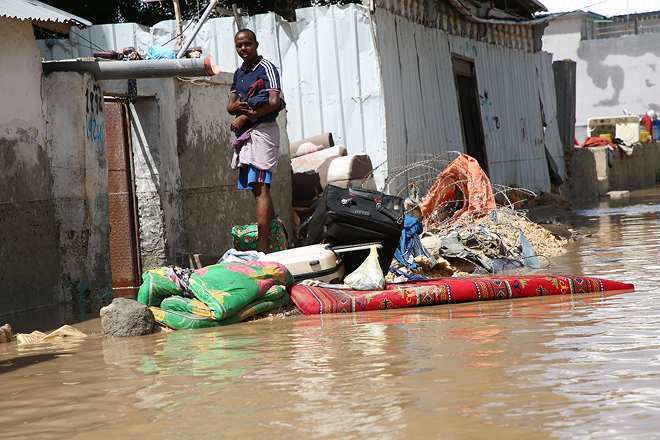
In 2025, the global humanitarian landscape continued to deteriorate, shaped by escalating conflict, climate-related crises, and growing geopolitical instability. Humanitarian needs rose sharply while available funding contracted, widening the gap between needs and resources, with serious implications for vulnerable communities and the organisations supporting them.
The erosion of respect for international humanitarian law and increasing risks to aid workers further complicated response efforts. For ACT Alliance and its members, this meant mounting operational pressure as organisations worked to sustain critical interventions in an increasingly constrained funding environment.
In response, ACT Alliance strengthened its humanitarian architecture with a dual focus on locally led response and coordinated action at scale. The Rapid Response Fund (RRF) remained the central mechanism for timely, localised interventions, while the appeal mechanism continued to serve as the primary vehicle for large-scale, coordinated responses to major crises.
ACT Alliance runs two humanitarian funding mechanisms: Appeals and the Rapid Response Fund (RRF). Appeals respond to more complex crises over one or more years, while RRFs fund locally identified needs quickly, reaching communities within the first critical days.
These were the active appeals and RRFs in 2025: ACT RRFs
In 2025, 18 responses were activated through the RRF mechanism: 9 in Asia, 5 in Africa, 2 in LAC, and 2 in MENA. 19 member organisations received grants through single-member and multi-member activations; two members, the National Council of Churches in the Philippines and the Christian Council of Nigeria, were each supported to serve affected communities in two separate instances during 2025.