Cash and Voucher Assistance: the future of people-focused humanitarian operations?


As UN Global Humanitarian Overview for 2025 is launched on Wednesday 4th December, ACT and Caritas Internationalis call for increased support to Sudan and locally-led crisis response

We’ll have to do more with less: It’s time to shift the power towards locally-led response

Affirming our unique role as development & humanitarian NGOs: interview with ACT EU member CEOs


This article was written by Stefano Filipuzzi and previously published on ACT Alliance EU website

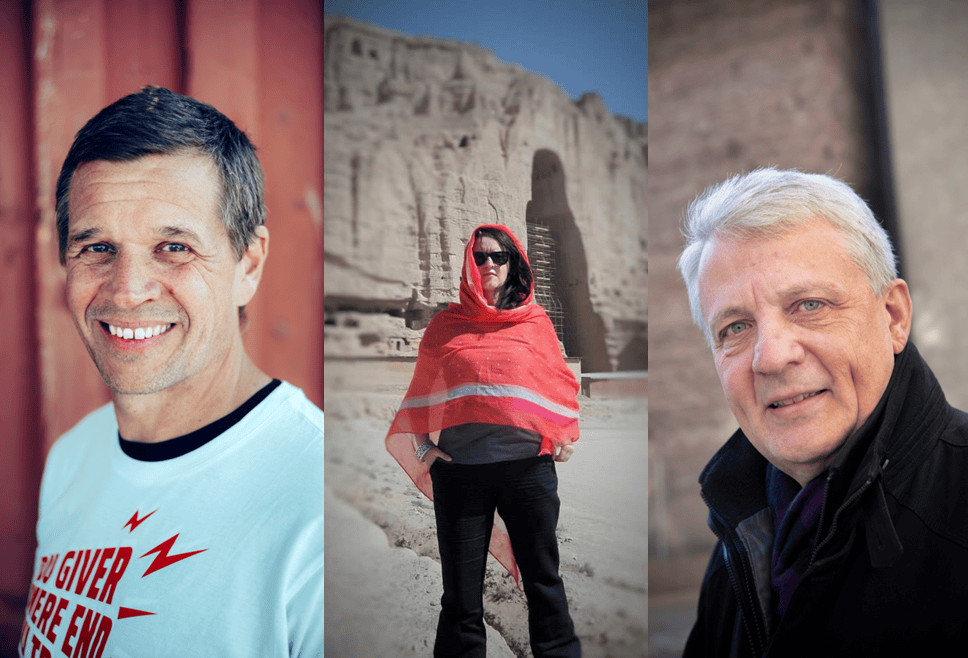
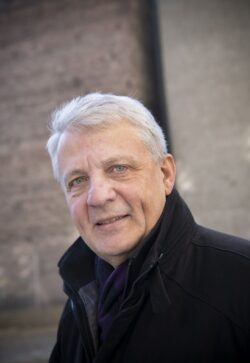
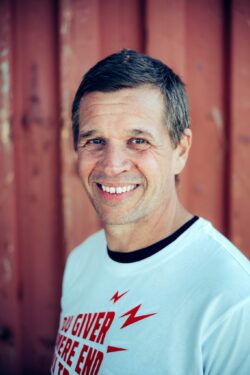
Following ACT Alliance EU’s General Assembly, we interviewed three of the CEOs of our member organisations – DCA Secretary General Jonas Vejsager Nøddekær, Diakonia Czech Republic Executive Director Kinga Komorowska, and NCA Secretary General Dagfinn Høybråten—to hear their perspectives on the alarming trends in national development and humanitarian agendas and learn more about the steps being taken to navigate and influence the evolving global landscape.  

CEOs of our member organisations recently met in Brussels during ACT Alliance EU’s General Assembly. This year, with EU elections looming and alarming trends in national development and humanitarian agendas, talks centred on reaffirming the role of civil society at this crucial juncture.

We interviewed three of the CEOs of our member organisations – DCA Secretary General Jonas Vejsager Nøddekær, Diakonia Czech Republic Executive Director Kinga Komorowska, and NCA Secretary General Dagfinn Høybråten—to hear their perspectives on these trends and learn more about the steps being taken to navigate and influence the evolving global landscape.

They bring a combination of vast operational experience globally, politically and in NGO leadership. We asked their perspectives on challenges currently affecting the development and humanitarian sector and the main priorities for change. We also asked them about the contributions ACT Alliance EU, its members & supporter bases, and the sector at large must make to address these global challenges.
 

Priorities and challenges in the development and humanitarian sector

When asked about the key priorities for change in humanitarian aid and development, our interviewees emphasised several critical issues.

Decolonisation and localisation of aid

One overarching concern is the slow progress in decolonising and localising aid efforts. “In 2016, the world’s largest donors and development organisations committed to ensuring that at least 25% of aid funds would be administered by local responders,” explains DCA Secretary General Nøddekær. “However, today, only 1.2% goes to local actors. This is not good enough, and the relief and development sector need to do some soul-searching.”

Dagfinn Høybråten of NCA echoed these sentiments, stressing that while localisation is essential for effective and sustainable responses, the dominance of large Western organisations within the international aid system continues to hinder progress. This situation affects the quality of efforts and perpetuates the false narrative that local partners are less capable of managing humanitarian crises compared to large international NGOs and the UN. A narrative that should be relegated to history, according to Nøddekær.

Diakonia CR’s Kinga Komorowska provided a stark example from Czechia, where governmental restrictions on fund transfers to third parties threaten to undermine collaboration between international and local NGOs. “While all major donors encourage or even require international NGOs to collaborate with local ones, this option may no longer be viable for those (co-)funded by the Czech government,” she laments.

Growing funding gap

Another pressing issue highlighted by Høybråten is the growing funding gap, which poses a severe challenge to effective humanitarian action. “Last year, only 40% of humanitarian funding needs were met, compared to 60% the year before,” he notes. “Meanwhile, budgets for development aid are falling even faster than humanitarian allocations.”

This growing discrepancy, DCA’s Nøddekær adds, leads to greater human suffering and prolonged recovery times. Consequently, “local teams and partners must shift some focus to meet the most basic needs of communities in crisis as early as possible,” as waiting for external aid may no longer be viable. At the same time, however, he stresses the importance of resisting the temptation to allocate dwindling resources solely to crisis response.

Politicisation of aid

The politicisation of aid emerged as a significant theme in the discussions, with NCA’s Secretary General emphasising that geopolitical interests increasingly influence aid distribution. “The long tradition of providing foreign aid in solidarity with those in need globally is under serious threat across Europe as governments increasingly frame aid as a tool to advance national geopolitical interests,” he observes.

This troubling trend undermines universal humanitarian principles. As DCA’s General Secretary explains, “aid is not primarily directed by need but by political agenda.” As a result, “humanitarian crises in regions of less strategic importance are frequently overlooked, leading to severe underfunding and inadequate support for those most in need.”

Promotion and implementation of a less siloed approach

Moreover, while the aid system grapples with becoming more locally led, it also struggles to adopt a less siloed approach across humanitarian, development, and peacebuilding sectors. “NCA, like many ACT Alliance members, works across the humanitarian, development, and peacebuilding pillars,” Høybråten explains. “For our country teams, this means that the HDP Nexus is not just about coordination and financing but also about programmatic approaches. How can we achieve better results by strengthening the connections between our interventions? Even more importantly, how can we learn from our partners?”. To underscore this perspective, Høybråten cites an upcoming study by NCA and two partners, which highlights that the distinctions of the international system hold little relevance for local actors who seamlessly cross these lines to meet the needs of their communities.

The call to action for civil society

Faced with these daunting and complex challenges and ambitions, what scope do development and humanitarian agencies have to shape change?

First and foremost, in the minds of the Secretaries General is to reaffirm our role as civil society organisations. “We must remind our own supporters as well as those in power that we exist to translate the commitment of our constituencies to justice and solidarity, and their faith, into action,” asserts Høybråten. Building on existing and potential connections with parishes, churches, associations and schools presents opportunities to engage supporters, especially youth: “The future is in the hands of the next generations, and we need to invest our time in helping them to shape a better world” (Kinga Komorowska, Diakonia CR).

For Komorowska and Høybråten, this involves explaining what we do, to be aware of global suffering and the ways of alleviating it, and to know the impact of national policies and their power as citizens to hold government to account on issues as pernicious as the politicisation of aid. “This threat is one that speaks to our strengths as ACT Alliance. We can speak directly to the public in the language of fairness, morality, solidarity, and justice. We can speak to our constituencies in the language of our shared faith.”

Nøddekær further underscores the multiple constituencies and partnerships of influence in the work of DCA and ACT EU organisations: “We work with both large and small companies and offer various support and co-operation opportunities in both Denmark and the countries we work in internationally. All our advocacy efforts will need to be informed by and closely linked and anchored in the work and analysis of our civil society partners in the countries where we work.“

A collective voice to inspire political change

In this period of elections globally, resulting in many cases in alarming consequences for support to those in crisis globally, our collective voice and advocacy is crucial: “In the upcoming year, Denmark will join the UN Security Council and assume the presidency of the European Council, providing two crucial platforms for multilateral and supranational advocacy” highlights Nøddekær. And Komorowska argues that the juncture also challenges over-reliance of civil society agencies on the government funding, “we all have to diversify our donor portfolios at a time when needs are outstripping donor funding commitments, and where donors’ “strategic priorities” which may not be in line with our core values and objectives.”

Leadership in today’s landscape

And finally, what does it take today to be a visionary development and humanitarian leader?

With combined vast experience in leadership in operations, political advocacy and civil society engagement, we asked what core skills development and humanitarian leaders need to make change in today’s landscape:
  • Leaders must deliver a clear, courageous and values-based vision. This calls for bold leaders who are willing to challenge the growing trend of inward-looking, self-interested political agendas prevalent in many European countries. More than ever, the world needs leaders who can inspire hope during times of crisis. (Dagfinn Høybråten)
  • They must sharpen their listening skills: As support for populist right-wing parties surges across Europe, leaders must engage with politicians as well as citizens holding diverse views on aid and development. This is crucial to avoid exacerbating polarization while steadfastly upholding principles such as human rights and the rule of law. (Jonas Nøddekær)
  • They need brave authentic communication: leaders must find how to navigate the ratio challenge of upholding humanitarian principles, protecting the dignity of individuals and also to be brave enough to break the taboo of not showing suffering. We have created a false picture of the situation in the places where we provide aid. Yes, we do change lives (temporarily?) for some people, but the needs are massive and we are not able to help all. (Kinga Komorowska)

Daily Abuses and a Poisoned Political Atmosphere: Local NGOs Denounce During Digital Solidarity Visit

ACT Alliance General Secretary Joins Digital Talks with Ecumenical Partners on Holy Land Situation

The leadership of ACT Alliance, the World Council of Churches and Caritas Internationalis had planned a solidarity visit to Jerusalem, the West Bank, and Gaza from 5-9 of August to witness the humanitarian, psychological and social impact of the ongoing war. However, recent events in the region have forced the organisations to postpone their travels.

The visit aimed to document the impact of the hostilities on civilians, express solidarity to the churches and organisations that are working to bring solace to the men, women and children that face the consequences of the conflict and, advocate for unhindered humanitarian access and a full ceasefire.

Despite the inability to hold in-person meetings, the leadership of  ACT Alliance,  the WCC  and Caritas Internationalis will hold a  two-day digital meeting on August 7-8 with key actors, churches and families to express their support to the populations facing hardships and deliver a strong message of peace.

Rudelmar Bueno de Faria, General Secretary of ACT Alliance, expressed regret at not being able to travel to the Holy Land and called on all ACT members to continue their advocacy for a ceasefire, unhindered humanitarian access, and respect of international humanitarian law.

“Postponing our solidarity visit due to ongoing violence doesn’t diminish our resolve. Gaza’s urgent need for peace and humanitarian support remains a top priority. Let’s unite for justice and access to aid for those suffering,”de Faria said.

Read ACT Alliance Palestine Forum’s statement on the situation in Gaza


Interview with Andrij Waskowycz: Being the Convener of the ACT Alliance Ukraine Forum in Turbulent Times

At the beginning of July, Andrij Waskowycz assumed the role of convener of the ACT Alliance Ukraine Forum, which unites 13 member organizations providing humanitarian aid in Ukraine. Andrij, who has been in Ukraine since 1991, brings a wealth of experience to his new role. This interview delves into his perspectives on recent events, the Forum’s priorities, and his outlook on humanitarian aid and the recovery process in Ukraine.

Q: Andrij, you’ve recently taken on the role of convener of the ACT Alliance Ukraine Forum. Can you tell us about your background and what led you to this function?
Andrij Waskowycz: Since Ukraine’s independence in 1991, I have made the country my home, residing in Kyiv for the past 33 years. Born in Munich to Ukrainian parents, my roots naturally drew me to Ukraine. I have been involved with humanitarian organizations since 2001, and in June 2023, I assumed the role of Head of Mission for Diakonie Katastrophenhilfe in Ukraine. Mark Mullan, the previous convener of the ACT Alliance Ukraine Forum, invited me to take on this role. I accepted because I believe the Forum is a vital platform for member organizations to exchange ideas and collaborate.

Q: Just days after you took over as convener, Kyiv experienced a devastating missile attack. Can you describe that day and its impact on the city?
Andrij Waskowycz: On July 8th, Kyiv endured one of the most tragic days since the full-scale invasion, as a missile attack struck the Okhmatdyt Children’s Hospital, another hospital, and several apartment buildings. Thirty-three people, including many children, lost their lives, and over 100 were injured that day. The Okhmatdyt Hospital, known for treating children with cardiac diseases and cancer, was severely damaged. The shock and devastation were immense, with people rushing to offer assistance. Even our office felt the tension; we heard the air sirens and explosions, knowing this attack was different and more destructive.

Q: How do such events affect the daily lives of people in Kyiv and the humanitarian efforts of your organization?
Andrij Waskowycz: The constant threat of missile attacks creates a pervasive sense of tension. People try to lead normal lives, but war is always present in their subconscious. For humanitarian organizations, these attacks also pose significant challenges, putting sometimes the lives of aid workers at risk. They underscore the urgency of our work and the need for coordination and preparedness.¨

Q: What do you consider to be the main priorities for the ACT Alliance Ukraine Forum?
Andrij Waskowycz: Our primary focus is enhancing cooperation, coordination, and exchange among member organizations. We’re working on joint advocacy efforts, such as ensuring humanitarian workers can be exempted from military enlistment to prevent the loss of qualified personnel. Additionally, we’re exploring ways to foster closer collaboration through the establishment of different Working Groups, for example in the field of HSS (Health Security and Safety), which are of common interest to all our member organizations. We are also considering establishing a Working Group on Mental Health and Psycho-Social Assistance. Many Forum members are active in this field, and a broader exchange of ideas regarding support for people with mental health issues could benefit various projects. Mental health is a significant issue in Ukrainian society, with estimates indicating that over ten million people in Ukraine need psycho-social assistance due to trauma from shelling, violence, and loss.

Q: You recently attended the Ukraine Recovery Conference in Berlin. What were the key takeaways from this event?
Andrij Waskowycz: The conference was highly significant, bringing together over 3,500 participants, including many from civil society for the first time. It served as a crucial platform for networking, discussing Ukraine’s recovery, and forming new partnerships. The presence of high-ranking politicians and the discussions on funding and rebuilding efforts underscored the international community’s commitment. The conference emphasized the need for immediate recovery actions to restore hope and normalcy for those living in devastated areas.
However, I believe that civil society representatives should have been more involved in the official program of the Conference. Civil society plays a crucial role in Ukraine’s reconstruction, especially given the declared focus on the „human dimension“. Reconstruction must extend beyond restoring material infrastructure to include renewing the social fabric, with appropriate social protection systems and effective social services. Much advocacy is still needed to ensure that the “human dimension” and the role of civil society in Ukraine’s reconstruction process receive the attention they deserve, particularly concerning the follow-up Ukraine Recovery Conference to be held in Italy next year.

Q: How important is the role of local organizations in your work, and what lessons can other countries learn from Ukraine’s experience?
Andrij Waskowycz: Local organizations are crucial because they understand the needs of their communities intimately. Ukraine has a very vibrant civil society and therefore very strong local organizations in the humanitarian sphere. Other countries can learn the value of empowering local organizations. These organizations often start from volunteer initiatives, responding quickly to crises, and as they grow, they must balance maintaining their agility with meeting donor requirements. “Localization” is a very important topic in the context of the humanitarian crisis in Ukraine. The ACT Alliance Ukraine Forum could be a good platform to advance the debate around “Localization” within the civil society and the international humanitarian community in Ukraine.

Q: What are the main challenges faced by humanitarian organizations in Ukraine, and how should they address these challenges to improve their effectiveness?
Andrij Waskowycz: The humanitarian crisis in Ukraine has seen a troubling trend where the funding for aid is decreasing even as the demand for assistance continues to rise. The decrease in funding can be attributed to donor fatigue, economic pressures on donor countries, and shifting global priorities. Simultaneously, the demand for aid is rising due to the ongoing war, displacement, and deteriorating living conditions. To address this situation, humanitarian organizations need to diversify their funding sources, increase advocacy efforts to highlight the urgency of the humanitarian crisis, and collaborate more closely with local partners to maximize the efficiency and impact of available resources. These challenges and topics concern all members of the ACT Alliance Ukraine Forum, and it is therefore their joint responsibility to discuss these topics and find proper solutions to these difficult questions. To initiate and facilitate such a discussion among the members is also a task for the convener of the ACT Alliance Ukraine Forum.

Reimagining how to fund cash transfers to communities

This article has been written by the Christian Aid communications team and has been previously published on the Christian Aid webpage .If you are interested in Cash and Voucher Assistance (CVA), Christian Aid has recently published a new insightful report, Who holds the levers of design?: Insights and ideas for cash locally led response


Christian Aid has long recognised that giving people money rather than things is a fast and effective way to assist those impacted by humanitarian emergencies.

In 2023, an eighth of all our project funding and a fifth of all our humanitarian project funding was used this way. At the same time, Christian Aid is committed to the localisation of aid, putting power and resources in the hands of those affected by crisis. This allows them to make decisions that are right for themselves, their family and their community.

Localising cash assistance

In recent years, there’s been a wide debate about how cash and voucher assistance (CVA) can be localised. We’ve noticed that this debate is often founded on several assumptions:

  1. We need to bring more local actors into the aid system to help with the design and delivery of cash assistance.
  2. The best way to achieve scale and efficiency gains is by harmonising approaches and often this involved linking with existing government social protection schemes.

Neither of these are inherently wrong. In fact, these ideas are doing a great deal to drive positive change in the international aid sector. However, they are not the full picture. 

Challenges for local responders

Firstly, not all local responders want to be part of the international system. Many may wish to either fill gaps that the larger system has left, or simply change their existing activities onto a humanitarian footing in response to a crisis.

For example, those working with marginalised groups may now want to continue working with these people, but offering humanitarian aid as well as their existing services.

Secondly, ‘mutual aid’ and other locally led responses, such as local church groups, already do reach a vast scale, but international agencies find this hard to recognise because we don’t have a strong way of measuring and counting it.

Two approaches to localising CVA

In our new discussion paper and briefing note who hold the levers of design – insights and ideas for cash and locally led response, we explore how there is a difference between localising institutional CVA , which focuses on equipping local actors to work within international CVA systems, and enabling CVA as part of locally led response, which focuses on equipping international aid systems to support and strengthen endogenous responses.

Working together for better aid

We hope that this distinction can carve out a space where international donors will develop tools and processes to work with local groups and spontaneous responders on their terms rather than asking them to adapt to international standards.

This is not to say all standards are wrong, but we believe there should be space to redraw the relationship between the institutional aid world and local responders. The aim is to complement wider aid efforts by recognising that affected communities are always the first and the last responders to any crisis, continuing to work towards long term recovery and development years after international agencies have completed their programmes.

Bracing for an Intense Hurricane Season in Haiti

This blog was written by Prospery Raymond, the ACT Haiti Forum Convenor, and originally published in Spanish here.  It was written before Hurricane Beryl (the second named storm of the year) reached category 4 and battered a number of Caribbean islands before turning towards Mexico this week.  He highlights the complexity of vulnerabilities for populations in Haiti who already experience so many challenges, should a storm like Beryl strike the island.

As the 2024 hurricane season started on June 1st in the Atlantic, forecasts from the National Oceanic and Atmospheric Administration (NOAA) paint a concerning picture for the region. According to NOAA, this year the hurricane season is hyperactive, and forecasts show an 85% chance of an above-normal season, and only a 10% chance of a near-normal season and a 5% chance of a below-normal season. These intense storms are expected to be fueled by the effects of climate change and the ongoing La Niña phenomenon. As the hurricane season officially began on June 1 and runs until November 30, various actors are preparing to address the situation.

The agency predicts between 17 and 25 named storms, with 8 to 13 potentially becoming hurricanes (winds exceeding 119 km/h), and 4 to 7 reaching Category 3 or higher (winds over 178 km/h). If Haiti is struck by a Category 3 or stronger hurricane this year, the consequences could be catastrophic, particularly in a context in which more than 50% of the population are in acute food insecurity, 580,000 displaced people have fled gang violence and the spread of cholera has already killed 1278 people since its reappearance in 2022.

Given this multidimensional, complex, and complicated crisis, the question arises: How can we better approach this hurricane season, given the intensifying needs for planning, prevention, and response? Significant efforts have been made, such as identifying over 1,400 shelters across the country using geospatial information. However, these shelters do not all meet the required criteria for adequately housing displaced individuals, lacking proper sanitation facilities, potable water, and food storage capabilities. Moreover, with access to many routes already blocked, delivering aid could be challenging if the country experiences a Category 3 hurricane or higher. Even tropical storms may cause important flooding.

In a conversation with Aldrin Calixte, the Director of the local NGO Haiti Survie, who specializes in natural resources and sustainable development, he shared that his organization has already developed a contingency plan to better participate in the response to storm or hurricane crises that could affect the communities in the South and Northeast departments where they operate. Calixte’s plan takes into account the significant challenges of the moment, such as difficult access, rising prices of basic goods, and their availability in the Haitian market and intervention areas.

 I also discussed the matter with Salomon Brutus, an Agronomist and the Humanitarian Coordinator for the joint office of DKH, LWF, and NCA in Haiti. He believes it is crucial for civil society organizations, the structures of civil protection and local authorities to work togetherto foster better coordination and support to communities in the process of reducing risks, in conducting anticipatory actions before crises to reduce the impacts of the disasters, as well to work in synergy during the response phase by assisting affected people efficiently and on time. For this season, he is collaborating with a network of nine ACT Alliance member organizations in Haiti, aiming to cover at least five departments with a plan to help vulnerable communities to be better prepared. While creating the plan is one thing, implementing it is another challenge, but significant efforts are being made in both preparation and execution.

An interesting approach utilized by several organizations and communities in Haiti is the SCLR (Survival Community Lead Response) in which support is provided to initiatives and actions led by the communities themselves and a hand is given to amplify the impacts. This approach, employed by DKH, LWF and NCA with their partners in Haiti, is a crucial aspect of helping communities, especially leaders, guide anticipation efforts, plan with local authorities, prepare, and intervene in within 24h to 72h after a disaster response without external intervention. Some communities are better prepared to take charge before, during, and after crises, thanks to valuable experiences gained from various challenges the country has faced over the past five years. For me, SCLR is the way forward to help have more resilient communities in Haiti.

OCHA and the DGPC (Directorate of Civil Protection) are already working to facilitate better planning for this year’s hurricanesThe 1,400 temporary shelters identified and set up across the country are importantHowever, the question remains: How will they implement this plan given the challenges we already face? Communication about the severity of the situation is lacking, and the population should be on alert regarding potential disasters. The rainy season of May 2024 already highlights the shortcomings and challenges the country could face if communities see more torrential rain and severe wind.

Resources are lacking, but communication about potential dangers is not up to par. Some communities receiving support from local authorities and external aid may be able to cope, but not all communes are in the same situation. Insecurity and population displacement remain challenges that are difficult to predict but easy to address if the Haitian state prioritizes preparedness and prevention. With more prevention efforts, we can reduce the need for response in the event of a hurricane, for example.

Angeline Anesteus, Action Aid director and CLIO President mentioned how they are very focused on anticipatory actions with multiyear projects to carry out activities in the field, particularly in the Grand Anse area. They have emergency funds to implement rapid actions if a hurricane should hit Haiti. CLIO members are encouraged to work together to avoid duplication and have more effective interventions in many communities. 

For several years, one of the manifestations of climate change in Haiti has been prolonged periods of drought in various regions. Some communities in the south and Grand Anse departments did not receive a drop of rain from November 2022 to July 2023, making it extremely difficult for thousands of farmers to find drinking water and sustain their crops and livestock, as water sources were on the verge of drying up. However, 2024 has brought a different scenario, with significant rainfall starting in February and increasing in May, leading to minor flooding and even tornadoes in some areas, including the Bassin Bleu region in northwestern Haiti.

During my visits with farmers in the in the South-West region in August and November 2023, they complained about the drought affecting their work areas in the year before. They told me they continued to pray for rain in the coming months, but hoping not to experience excessive rainfall or storms. For now, they have received enough rain in early 2024 to aid their planting efforts and hope for a good harvest during Haiti’s spring season from April to July 2024. I hope their prayers will continue to be answered, and Haiti will not be affected by serious storms this year. Even with good prayers, effective preparation and prevention remain crucial. We must continue to inform populations and communities on how to behave before, during and after meteorological events like storms, hurricanes, tornadoes. Haiti cannot withstand another disaster. Many decision-makers know what to do, but will we unite with a strong will to protect the population this year, setting aside political considerations and instead focusing on saving the already drifting economy and – most importantly – innocent lives, with the potential to grow and better serve the country in the future?


Together, we can make a difference!!!

Surviving Amidst Gang Violence in Haiti: Resilience and Recovery

The situation in Haiti remains extremely precarious, with gang violence devastating communities and disrupting lives. For many Haitians, simply existing and going about daily activities means navigating constant threats and traumatic experiences. With the resurgence of violence related to armed groups’ activities in Port-au-Prince since 29 February, thousands of people have been killed, injured, or forced to flee for safety and protection, according to Office for the Coordination of Humanitarian Affairs (OCHA), Haiti. So far more than 360,000 people left their communities and hundred of thousands are based in some camps around Port-au-Prince(schools, churches, state offices…)

Rampant violence continues in several districts of Port-au-Prince, where coordinated attacks are affecting hundreds of thousands of people. On 10 May, an attack in the Gressier commune (West Department) caused the displacement of around 4,400 people.

The number of survivors of gender-based violence (GBV) increased fivefold between the first two months of the year and March 2024, rising from 250 to 1,543. Sexual violence accounts for 75 per cent of the incidents reported, according to OCHA, on the 16th of May 2024.

The accounts shared here provide a sobering look at the realities on the ground, but also inspirational examples of resilience and the vital work being done to support survivors.

Psychologist Kate Ulysse paints a distressing picture of the violence playing out in areas like Croix des Bouquets and Cité Soleil near Port-au-Prince. “The different forms of violence people face include robberies, murders, rapes, intimidation and threats,” she explains. Armed gangs exert control over neighborhoods, setting up checkpoints and subjecting residents to searches and abuse. “At that moment, anything is possible.”

The impact on mental health is severe. Ulysse describes survivors grappling with post-traumatic stress, anxiety, depression, anger and suicidal ideation in the aftermath. “These women’s psychological balance is delicate,” she laments. Many develop pathological conditions like panic attacks, reliving the trauma, and they “always feel in a state of imminent danger.” The stigma and dislocation compound the harm, leaving some feeling they must abandon their communities entirely.

Despite the daunting challenges, local organizations like ACT members Service Chretien d’Haiti  (SCH) and partner organizations like ORRAH working with ACT members DKH and LWF/NCA are doing vital work to protect survivors and help them reclaim their lives. Psychosocial support workers like 31-year-old Liliane Joseph provide a lifeline, conducting door-to-door outreach in hard-hit areas. “After, we had to open an office to receive survivors in complete confidentiality, so they feel confident to express themselves,” Joseph explains. “The survivors need support so they don’t continue being victimized.”

Empowerment is key, helping each woman to “know that she is a person, and she has rights – and needs support to guide her to necessary services.” This holistic approach encompasses psychological care but also economic empowerment, like the financial grants SCH provided. As Polone Cadet, a 49-year-old mother of three, expressed: “The support from SCH was very important and came at the right time… otherwise, we could die.”

The gratitude in the survivors’ own words is palpable. Cadet conveyed, “She was happy with the conversation and to see that people are interested in her story and what she is experiencing in her community.” For Helena Prophete*, a young woman who became pregnant after a brutal gang rape at age 14(now, she is 19 and she is at baccalaureate dreaming to be a doctor in the future to support as many girls and women as possible), SCH provided a vital outlet: “By talking about it more and more, I feel better. With SCH, I had this opportunity to find a space to talk, to discuss, and people who understand me.”

While sharing such traumatic accounts is undoubtedly difficult, giving voice to the survivors is crucial for driving awareness, empathy and action to address these crises. Ulysse underscores that supporting the psychosocial and economic needs of women and child survivors “is an expensive but essential program.” NGOs and aid must prioritize Haiti’s local organizations at the forefront of this work. 

As Ulysse emphasizes, “Violence harms thousands of people and endangers the lives of thousands of women and children, and it is imperative to support survivors after this trauma so that they can rebuild and take their place in society.” The resilience of the human spirit shines through in these stories of perseverance against adversity. While the road ahead remains long, survivors like Cadet plead: “May God change the situation in Haiti, and may the leaders find a way to agree and provide security in the country.”

Experts and advocates working in communities in Haiti have identified several critical steps to effectively address the issue of violence against women and children:

  • Increased Funding: Allocate adequate resources to support organizations providing essential services to survivors, including medical care, psychological counseling, legal aid, and economic support.
  • Improved Coordination: Foster collaboration among various organizations involved in addressing violence against women and children to ensure seamless access to services and prevent duplication of efforts.
  • Prevention Strategies: Implement comprehensive prevention programs that promote gender equality, respect for women and girls, and challenge harmful social norms that perpetuate violence.
  • Support for Survivors: Provide tailored support services to survivors, considering their individual needs and circumstances, including medical care, psychological counseling, legal assistance, and economic empowerment opportunities.
  • Community Engagement: Engage community members, including men and boys, in awareness-raising campaigns and prevention initiatives to foster a culture of respect and non-violence.
  • Strengthening the Justice System: Ensure accountability for perpetrators of violence against women and children by strengthening the justice system and ensuring fair and timely prosecution.

The situation in Haiti is dire, but there is a glimmer of hope. With concerted efforts from governments, international organizations, local communities, and individuals, we can collectively work towards ending the cycle of violence that plagues Haiti, particularly against women and children.

LWF and NCA; two members of the ACT Alliance, in Haiti urge you to join us in this fight by raising awareness, supporting organizations working on the ground, and advocating for policies that promote gender equality, protect human rights, and build a more just and peaceful society in Haiti.

Together, we can make a difference.