Faith leaders: More must be done to achieve climate justice after COP26

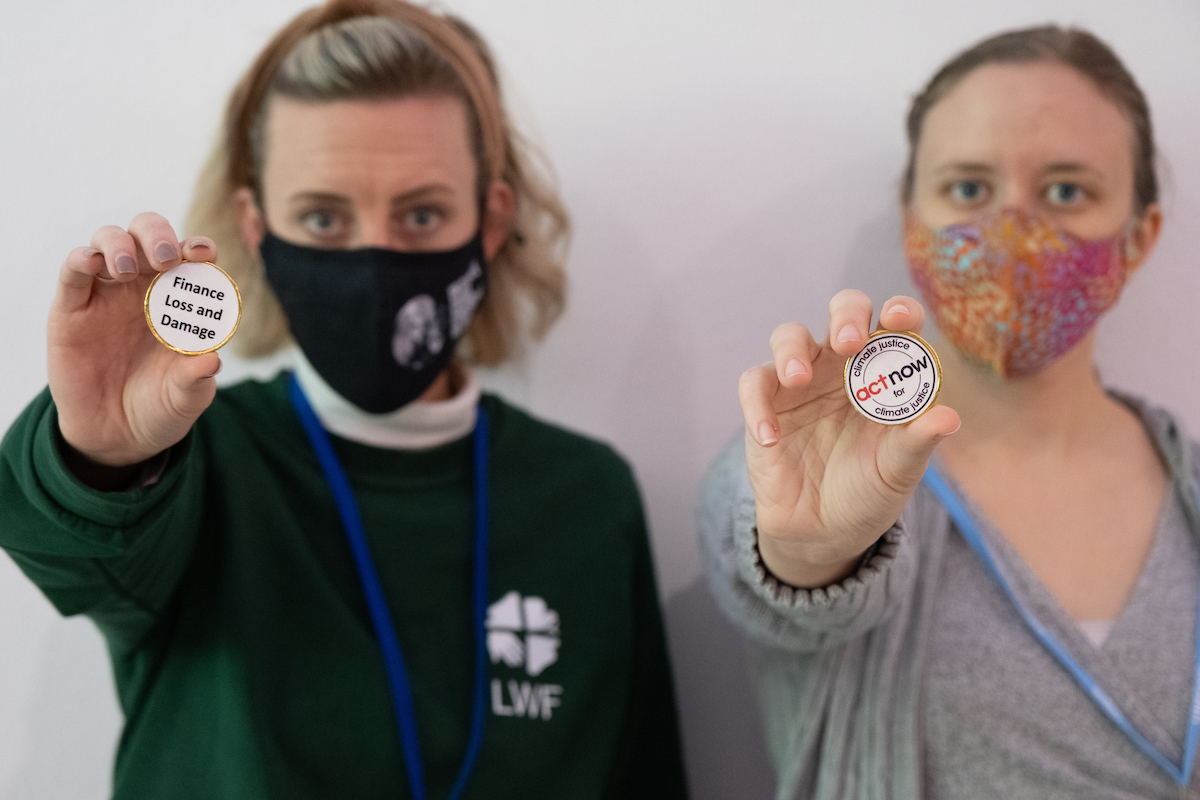
After two intense weeks of negotiations, civil society action, discussion and prayer, COP26 has come to an end. ACT Alliance and The Lutheran World Federation (LWF) have followed the summit closely. We feel that there is still a lot that must be done to achieve climate justice, particularly for communities in the Global South. They face the worst effects of climate change and have done the least to contribute to it. 

As people of faith, committed to care for creation and work for climate justice and the dignity of all, we are disappointed by the results from COP26 in Glasgow. What has been negotiated does not go far enough in offering concrete solutions to the climate crisis. Without details and actions, promises are empty. 

We welcome the launch of the Beyond Oil and Gas Alliance (BOGA). In addition, individual countries, such as Scotland and Denmark, have made commitments to significantly increase their funding to the Global South for climate finance, which is one of our major concerns. We believe this is a good step forward and look forward to seeing the actions taken by the members of BOGA, and also to seeing other nations join in this key commitment.

However, the world urgently needs more ambition and more concerted action to achieve climate justice and keep global warming at 1.5C or below. 

As people of faith, we are disappointed but not disheartened by the lack of results from COP26. As partners in the ecumenical movement, we will continue to care for creation, work for climate justice, and stand with the most vulnerable. We call on churches worldwide to keep raising their voices for creation and for climate justice.

We must act now. Creation is not for sale.

“In order to ‘Keep 1.5 Alive’, the world must phase out fossil fuel production and consumption as fast as possible. Limiting global temperature rise to 1.5C is vital in order to lessen the impacts of climate change on the poorest and most vulnerable people in the world, particularly women and girls who are the most affected by climate induced disasters,” said Rudelmar Bueno de Faria, General Secretary of ACT Alliance.

“We have been inspired by the relentless call for climate justice by faith actors and civil society. We must keep the momentum and continue to call for bold action by all actors at all levels. This is the big crisis of our time, and there is no time to lose. Its consequences will affect future generations all over the world,” said Rev. Anne Burghardt, General Secretary of LWF.

“Since it is Code Red now we call all private, social, economic and private actors to come up with ambitious and concrete actions to manage the climate crisis together,“ said Prof. Cornelia Füllkrug-Weitzel, ACT Alliance’s Goodwill Ambassador for Climate Justice.

“COP26 was a missed opportunity to take significant steps towards addressing the climate crisis and protecting the most vulnerable,” said Isaiah Toroitich, Head of Global Advocacy for LWF. 

ACT Alliance 

ACT Alliance is a global protestant and orthodox faith-based coalition organised in national and regional forums operating in more than 120 countries. Through its more than 140 members, ACT Alliance works on climate justice, humanitarian aid, gender justice, migration and displacement, and peace and security to support local communities. 

ACT Alliance’s goal is to promote a locally-led and coordinated approach to advocacy, humanitarian and developmental issues.

LWF 

The Lutheran World Federation is a global communion of 148 churches in the Lutheran tradition, representing over 77 million Christians in 99 countries. As a communion, LWF advocates for the human rights and dignity of all. At COP26, LWF has focused on strengthening climate action and advocacy at all levels. Young people are vital agents of change and form the greater part of the LWF’s delegation to COP26.

Media contacts

Simon Chambers

Director of Communication, ACT Alliance

simon.chambers@actalliance.org

+1- 416-435-0972

Rev. Arni Svanur Danielsson

Head of Communication, The Lutheran World Federation

arni.danielsson@lutheranworld.org

+41 22 791 6367 
 

Faith leaders urge US President Biden to end embargo against the Cuban people

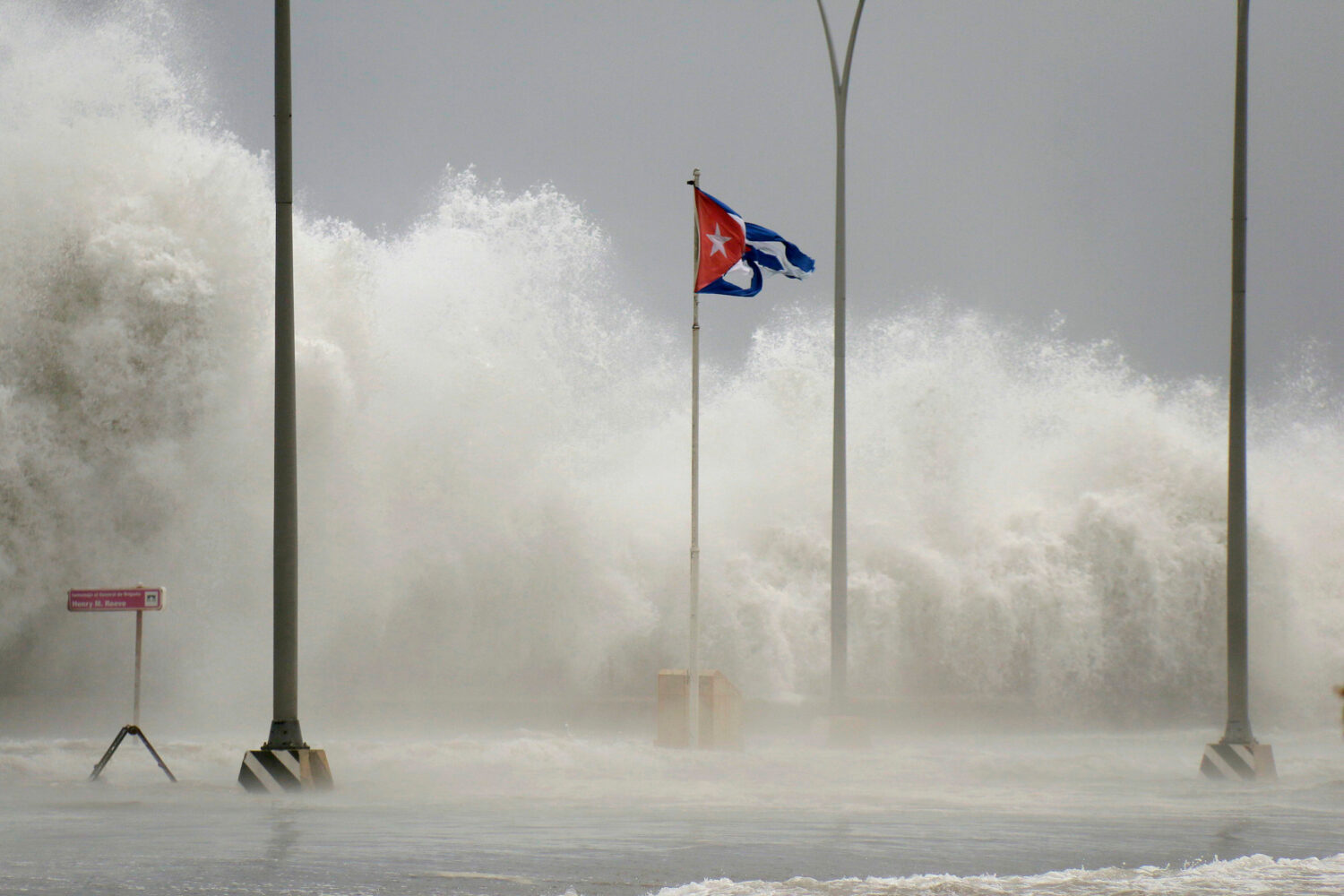
In a 15 October letter to US president Joe Biden, ACT Alliance General Secretary Rudelmar Bueno de Faria joined the World Council of Churches, Council of Churches in Cuba, and other faith-based groups in urging an end to nearly 60 years of embargo against the Cuban people, who are facing an appalling humanitarian situation.

“The Obama administration, with your support, sought to rethink the policy and pursue re-engagement with Cuba, by relaxing sanctions, allowing direct flights between the two countries, and easing restrictions on US citizens traveling to and doing business in Cuba,” the letter reads. 

“The impact of the COVID-19 pandemic has further exacerbated the problems in Cuba,” the letter continues. “We ask you to take a bold choice and end the embargo against the Cuban people.”

The letter also calls for eliminating the cap on remittance and reactivating non-family remittances, allowing Cubans abroad to better support their own families and communities.

“We strongly believe that there are other ways to engage with the Cuban authorities to discuss and overcome disagreements on issues and legacies, without affecting the people who want to live in human dignity,” the letter concludes.

Read the full letter here.

OPINION: It’s time to shift to locally-led climate change adaptation

Photo by Hilina Abebe

This opinion piece was originally published by the Thomson Reuters Foundation and is available here.

Communities on the frontlines of global warming impacts rarely have a say in decisions made to protect them. This must change.

Birgitte Qvist-Sørensen is moderator of the ACT Alliance and general secretary of DanChurchAid; Reverend Ssekasiko Wilberforce is a local faith leader in Uganda, and Wanjira Mathai is vice president and regional director for Africa at the World Resources Institute.

 The past year brought unprecedented suffering from COVID-19. On top of the pandemic, climate change continued to batter already vulnerable communities, disproportionately hurting those with the least resources to respond.

 Yet despite these impacts, those same communities on the frontlines rarely have a say in the decisions made to protect themselves from climate impacts. This must change.

 We must shift power and resources to local actors so they can choose the solutions that work for their communities. Doing so is vital to creating a more equitable, resilient society.  

The choice is clear: Governments and donors can return to business as usual, providing funding with short time-horizons and arduous, top-down processes to access it. Or they can shift to a world where local actors, including poor and marginalized populations, have the power to shape their own future. 

This pathway toward “business unusual” offers several obvious benefits. To start, investing in locally led adaptation can create more effective, context-specific solutions. Local communities know how COVID-19 and climate change affect their communities. They are often the first responders during crises. 

By ensuring local actors have agency in building resilience to climate impacts, we can ensure these decisions are grounded in local knowledge and experiences. Combined with scientific information, this can lead to more effective and sustained resilience — and, in turn, more lives saved, less hunger, and more opportunities. 

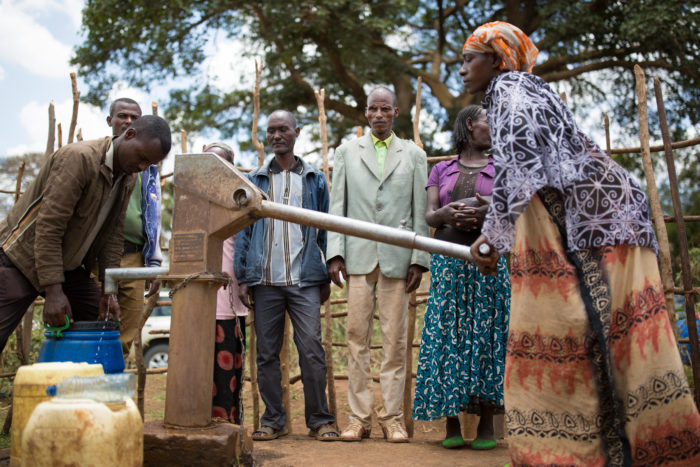
In Kanoni village, in Uganda’s Gomba District, for example, climate change drives frequent droughts that dwindle the water supply, leading to food shortages and low pasture for the animals.

To proactively address this problem, which is a daily hindrance, the people of the Kanoni village started planting indigenous trees to retain water, improve the soil, and create shadows to prevent the soil from baking in the sun.

Locally led adaptation can also address underlying inequities by giving agency to local actors on the frontlines of climate change, including women, youth, disabled, displaced and marginalized ethnic groups.

Locally led adaptation efforts must be intentional about integrating gender-based, economic, and political inequalities that are root causes of vulnerability.

 In the face of severe drought, a group of women farmers in India’s Maharashtra state bucked the trend of growing only a few cash crops, which kept failing in their water-scarce region.

Working with a local grassroots women-led organization, they grew a diverse mix of water-efficient crops that farmers can both sell and feed their families with. This agricultural transformation has boosted yields, improved livelihoods and has since been expanded to hundreds of other farms in the region.

Ensuring local actors have agency is both the right and smart thing to do. Yet, to scale up and develop climate adaptation solutions, local communities still need more support and easier access to funding.

While not all adaptation needs to be locally owned or led, governments, development banks and donors must commit to putting more resources into local hands for local adaptation priorities. Communities need accessible funding that supports long-term development of local governance processes, capacity, and institutions to build resilience, without expecting them to shoulder the burden of adaptation.

The Global Commission on Adaptation’s Adapt Now report strongly calls for expanding financial resources available to local actors and creating structures that give local groups greater influence on decision-making.

In Kenya, climate change and intensified land-use changes have caused Lake Baringo to rise by over 46 inches (116 cm) since May, affecting jobs, education and health services.

To support the local communities that rely on this lake, the United Kingdom launched the Community Resilience in the Kerio River Ecosystem (CORKE) program, which helps shift agency to community members who can identify hazards and vulnerabilities when developing climate change actions and priorities.

Local communities — whether they are farmers in Uganda, grassroots women in India or villages dependant on Lake Baringo in Kenya — need capacity and resources to help make and implement decisions that affect them.

This week, the online Climate Adaptation Summit, hosted by the Netherlands, will bring together heads of state and other global leaders to raise global ambition on creating a climate-resilient future, focusing on vulnerable communities. At the summit, dozens of organizations will come together to highlight their commitments to empower local actors to adapt. 

A growing movement of countries, international institutions and local groups recognize the need to put more resources into local hands for climate adaptation. But make no mistake: It will take hard work and serious changes in current practices to enact this shift. 

As governments and international institutions look to recover from COVID-19, they have a chance to write a new social contract — one in which people at the local level have power and resources to make decisions that affect them. It’s time to chart a more equitable, resilient path, led by communities on the frontlines. 


Time to depoliticize women’s access to health – Global Gag Rule risks to the global development agenda

PRESS RELEASE

GENEVA, April 6, 2017– The United States administration’s reinstatement of the “Global Gag Rule” in early 2017 undermines crucial funding to a broad range of sexual and reproductive health services and ends up risking advancement of the global development agenda. The US decision to deny future funding for actors like the United Nations Population Fund (UNFPA) is a major concern, says global church-based network ACT Alliance.

The polarization over the political and practical support to sexual and reproductive health is likely to reduce access to health services and may end up risking lives. It is high time to depoliticize women’s access to health, says ACT Alliance.

The growing political divide over the goals of the global development agenda, less than two years after Agenda 2030 was endorsed by the United Nations member states, risks little progress being made on a number of Sustainable Development Goals.

Good health and well-being for all cannot be secured without adequate access to family planning, age-of-consent minimums, access to sexual and reproductive health care and context-appropriate comprehensive sexual education for all, says ACT Alliance.