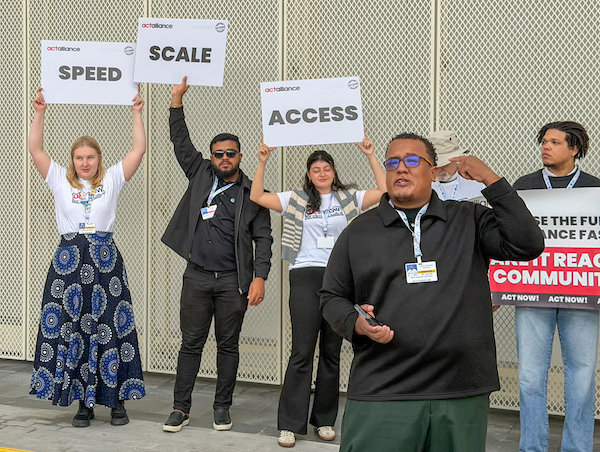
With only days left at COP31, progress remains deeply inadequate. Framed as an ‘implementation COP’, ambition must constitute progress in building trust by not backtracking on means of implementation.
Some of the negotiations that matter most to developing countries are still struggling to deliver the clarity and ambition needed for a meaningful outcome here in Antalya.
COP31 opened last week with a dire warning: the world is on track to exceed the 1.5°C limit. This means more frequent and severe droughts, floods and extreme weather events in years to come, with devastating consequences for communities that have done the least to cause the climate crisis.
In this context, climate finance is even more important. It is what enables vulnerable countries to protect people from the impacts of the 1.5 overshoot and deliver a just transition – moving away from fossil fuels while securing poverty eradication and development outcomes.
Worryingly, climate finance negotiations are not where they need to be at this stage of COP31.
The Climate Finance Work Programme (CFWP) should help strengthen transparency and accountability around developed countries’ obligations to provide climate finance under Article 9.1. It should also provide greater clarity regarding how the commitment agreed at COP30 last year to triple adaptation finance will be implemented and measured. At this stage, this tripling of the doubling commitment lacks an agreed dollar figure despite at least USD 120B by 2035 being put forward as a request by vulnerable countries.A strong process is still needed to clarify baseline year, and tracking methodology. There is a growing risk that the outcome of the CFWP will be largely procedural with increasing differences on its scope and modalities of work
At the same time, recent pledges to the Adaptation Fund have fallen short of what is needed, despite growing evidence that adaptation finance continues to remains far below what is needed. Only US$50 million have been pledged for the Adaptation Fund at COP. This is exceptionally low and far too inadequate for a fund whose annual goal is to mobilize USD 300M. International public adaptation finance for developing countries was around US$31 billion in 2024 while adaptation needs are projected to reach approximately US$305 billion annually by 2035. As the world moves beyond 1.5, there is more need for adaptation, not less.
As faith-based organisations working with local organisations on the frontlines of the climate crisis, this is highly concerning to us. Adaptation finance determines whether
farmers can adapt to changing rainfall patterns, whether communities can prepare for disasters, whether countries can invest in more resilient infrastructure. As temperatures continue to rise, adaptation needs will only continue to grow.
COP31 cannot become another conference where critical finance decisions are postponed. Developed countries must demonstrate leadership by engaging constructively in negotiations. Right now, some developed nations are not showing willingness to support a meaningful outcome.
Equally concerning is the resistance to establishing a strong Just Transition Mechanism. Last year in Belém, a Mechanism was created to help ensure that the transition away from fossil fuels would not deepen inequalities but create opportunities for people, communities, and nations. At COP31, developing countries have been calling for this mechanism to be substantive and implementation-oriented, backed by adequate means of implementation, including finance, technology transfer and capacity-building. A mechanism without the capacity to address structural barriers and facilitate access to support, risks falling short of its purpose, leaving workers and communities to bear the social and economic costs of the transition without the support needed to protect their rights, livelihoods and future.
The final outcome must include clear means of implementation, including adequate technical support. Concerns have also been raised about introducing new terminology, such as “sustainable industrialization,” which could complicate discussions and delay progress. We call for an outcome that gives the mechanism a clear mandate, effective governance and the resources to translate cooperation into action. The test is not simply whether we agree on the language of a just transition, but whether we establish the means to support it”
Loss and damage: concrete action and predictable funding for those most affected
Overall, the text on financing responses to loss and damage remains weak and falls short of the ambition needed to address the scale and urgency of the crisis. In light of the devastating impacts witnessed around the world in 2026, there must be a clear recognition of the need to drastically increase public loss and damage finance, priorities the implementation of a rapid response mechanism and speed up the development of long-term modalities.
Concern has also been raised that, as of 31 July 2026, only USD 485.77 million of the USD 822.71 million pledged to the Fund had been received. Governments must honor their pledges and ensure that commitments translate into adequate, predictable and accessible finance resources for affected communities.
Concrete provisions that ensure impacted communities can access funding directly have not yet been agreed to. Ensuring accessible, timely and community-responsive funding will be essential for the Fund to deliver on its promise to those most affected by climate change impacts.
The slow progress in the negotiating rooms contrasted sharply with the urgency demonstrated in discussions in the side events. Interestingly, the same Colleagues pushing back on strong finance language in the text were the same ones registering shock and dismay at the 1.5 degree overshoot and the losses and damages suffered by communities due to climate impacts. The disconnect was sharp and the effect can prove disastrous to communities battling the effects of climate change. The Fund for responding to loss and damage Board report clearly showed the gap in available resources against fund requests under the BIM, USD485.77 mill against usd2.18 billion in requests as at July 2026. There is a need to point out the fact that pledges must be honoured, a replenishment plan developed that delivers predictable, accessible and adequate grant based finance. It is unjust to celebrate community resilience at side events while failing to provide resources to make that resilience sustainable. Global decisions must start delivering tangible improvements in the lives of vulnerable people.
With COP31 entering its final days, the lack of progress on climate finance is deeply concerning. A year after governments agreed to triple adaptation finance, they are still failing to agree how that promise will be delivered and measured. Climate-vulnerable countries have done their part. They have shown leadership by putting forward National Adaptation Plans and NDCs, setting out clear priorities and demonstrating political will, often with limited resources. Now it is time for advanced economies to match that ambition. They must deliver a meaningful COP31 outcome and commit to scaling up climate finance to meet the scale and urgency of the climate crisis.
A just transition cannot remain an ambition negotiated in conference rooms while workers and communities are left to manage its consequences on the ground. The Mechanism must be equipped with the mandate, resources and implementation capacity to support countries in addressing the structural inequalities of the transition. Otherwise, we risk agreeing on the language of justice while leaving those most affected without the means to realise it.
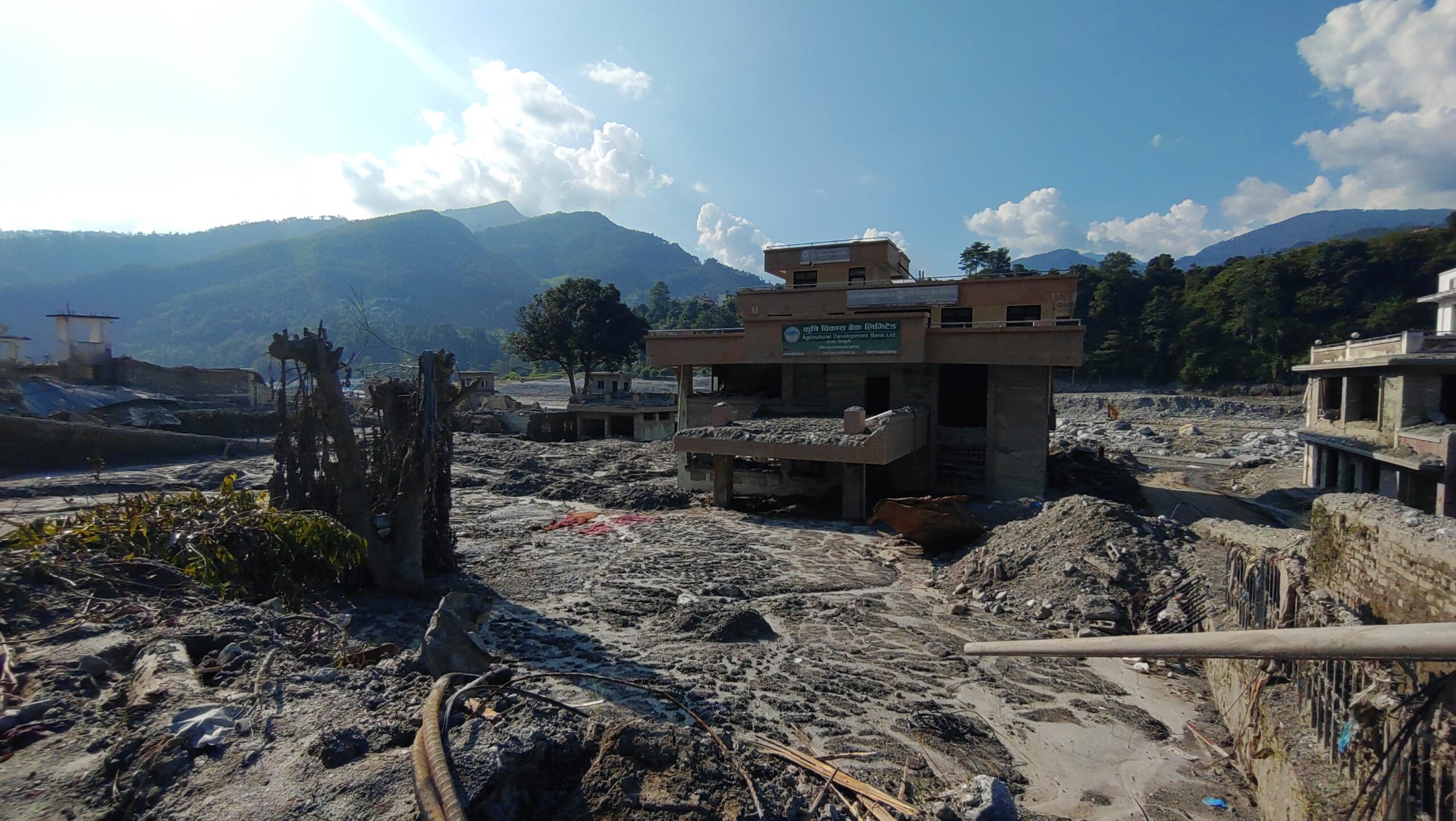
I come to COP31 carrying the voices of communities in Nepal who have lost so much, yet still choose hope. Our collective responsibility is to ensure that Loss and Damage finance and adaptation support reach those who contributed least to climate change, so that resilience is matched by justice and recovery is matched by dignity.
We already have an international commitment to transition away from fossil fuels. Now we need to deliver on it. National roadmaps are encouraging, but they cannot replace global cooperation. COP31 must show that the world is still committed to moving away from fossil fuels and towards a cleaner future.
As young people of faith from Southern Africa, we come to COP31 carrying the voices of communities already living with the harsh realities of the climate crisis: food insecurity, water scarcity and increasingly unpredictable seasons. Our faith calls us to be stewards of creation, but stewardship must be accompanied by justice, courage and action. We call on world leaders to move beyond political promises and deliver meaningful outcomes on climate finance, adaptation, loss and damage, a just transition and youth participation. We refuse to inherit a future shaped by delayed decisions and unfulfilled commitments. Our communities need more than solidarity in words; they need action that reaches the ground. We believe that protecting creation is an act of faith, and demanding climate justice is an act of responsibility. Our voices may come from the margins of global decision-making, but our futures must never be treated as marginal.