Opinion Piece by Illari Aragon, Global Policy and Advocacy Lead, Christian Aid,
Co-chair, ACT Alliance Climate Justice Reference Group.
COP31 will take place in Antalya, Turkiye, from the 9-20 November. It will test whether governments can turn existing climate commitments into funded action for the countries and communities most affected by climate change. Four priorities will be critical: a just transition away from fossil fuels, finance to adapt to climate impacts, support for countries facing loss and damage and meaningful progress on the finance negotiations.
The need for decisive action on the climate crisis could not be clearer. The chance of holding global warming below 1.5 is now gone. The latest scientific evidence indicates that the world is set to cross the 1.5°C warming limit within the next few years, with projections for warming that could reach 2.8 °C by the end of the century. Above 1.5°C, risks and impacts can increase dramatically, including intensified extreme weather events, ecosystem loss, damage to human health, food and water security.
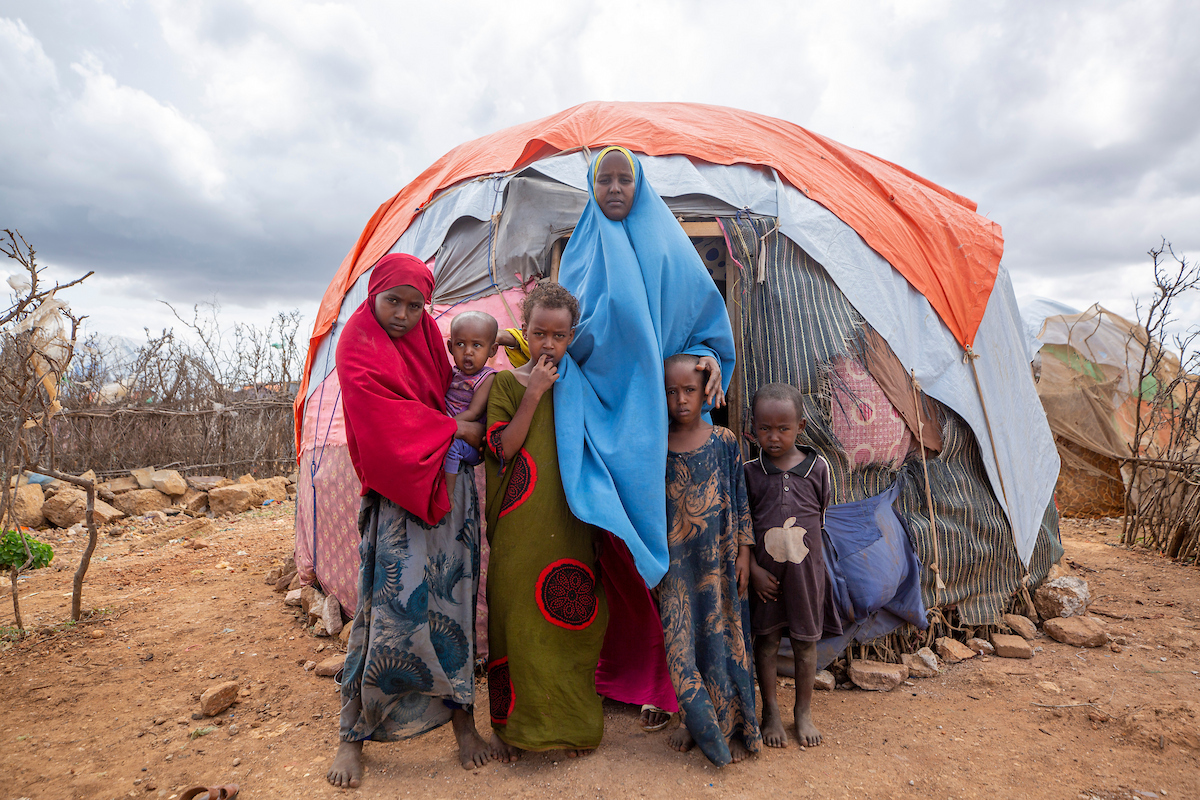
On top of this, a supersized El Niño is underway – a natural phenomenon whose impacts are only compounded by climate change. El Nino will bring intensified droughts, floods, crop losses, food insecurity, and displacement across many parts of the world. Governments and communities need stronger early warning systems, resilient infrastructure, greater access to adaptation finance, and timely support for disaster response and recovery.
COP31 must turn political commitments into practical, adequately funded action. Four areas will be critical to watch:
- Keeping fossil fuels on the agenda
One of the disappointments of COP30 in Brazil was the failure to secure an explicit reference to phasing out fossil fuels in the final negotiated outcome. Yet momentum for a transition away from fossil fuels continues to build outside the formal COP process.
Earlier this year, 57 governments met in Colombia for the first International Conference on the Transition Away from Fossil Fuels, demonstrating growing international support for addressing one of the root causes of the climate crisis.
COP31 should continue to place this consequential issue at the centre of the talks and its outcomes.
The challenge is ensuring that this transition is genuinely just. Too often, climate discussions focus narrowly on reducing emissions while overlooking a fundamental reality: more than 560 million people in sub-Saharan Africa alone live without electricity. This is more than the entire population of the European Union.
For many developing countries, the challenge is not simply about transitioning from one energy source to another but about expanding access to clean, affordable and reliable energy for the first time.
A just transition must therefore be judged not only by how quickly fossil fuel use declines, but whether it also expands access to clean energy for all.
This is where the new Just Transition Mechanism, agreed at COP30, could prove critical. The Mechanism has the potential to help countries pursue low-carbon development and ensure that equity and energy access remain central. However, key questions around the Mechanism’s governance, financing, and implementation remain unresolved. It is yet to be decided how the Mechanism will support countries in practice.
COP31 should deliver a well-resourced mechanism capable of supporting countries through finance, technology transfer, capacity building, and international cooperation. Without this, a “just transition” could remain aspiration rather than becoming a reality.
More broadly, for a transition to be genuinely just, it must avoid creating new forms of injustice. Demand for critical minerals such as lithium, cobalt, nickel, and copper will continue to grow as countries expand renewable energy and electric vehicle technologies. While this presents important economic opportunities for mineral-rich developing countries (many in the global south), it also carries environmental and social risks. A just transition requires responsible mining, respect for community rights, and greater investment in local industries so that producing countries can capture more of the benefits. They should not simply supply the minerals that power the clean energy transition elsewhere, they should also benefit through better access to energy, decent jobs, and broader economic opportunities for their own people.
Ultimately, the success of the energy transition will depend not only on how quickly the world moves away from fossil fuels, but on whether the benefits of that transition are shared equitably.
2. Adaptation finance: the most urgent gap
Adaptation remains one of the most underfunded areas of climate action. Last year’s agreement at COP30 to triple adaptation finance by 2035 was a significant political achievement. But this commitment remains unclear. Governments have not agreed on an exact financial target or at least a baseline year to calculate the tripling, nor a roadmap for delivery and accountability. Without these details, the commitment risks becoming another headline announcement that fails to translate into tangible support for vulnerable countries.
The scale of the challenge is sobering. According to latest estimates, international public adaptation finance flowing to developing countries stands at approximately $26 billion annually (AGR2025.pdf page xiii). At the same time, adaptation needs are projected to reach between $310 billion and $365 billion per year by 2035. Even if adaptation finance were successfully tripled, it would still fall well short of projected needs.
Equally important is the quality of finance. Much international climate finance continues to be provided through loans. Yet adaptation projects often do not generate revenue capable of servicing loans. Building flood defences, developing drought-resistant agriculture, or protecting communities from extreme heat are essential adaptations to climate change, but they do not generate profits in the traditional sense. That is why adaptation support must increasingly come in the form of grants rather than loans.
3. Loss and damage can’t be ignored
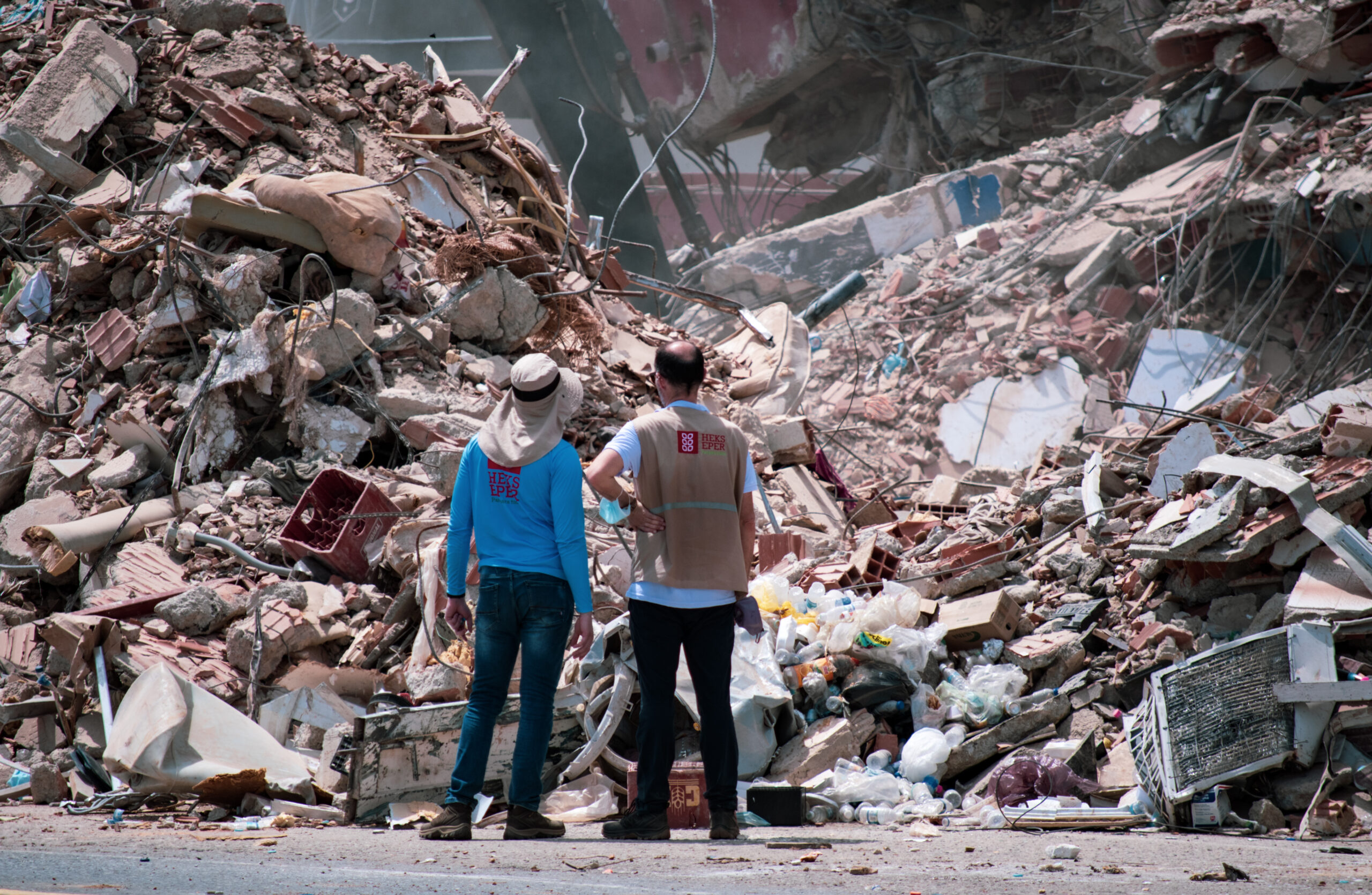
The devastating floods that struck Nepal this year offer a reminder that some climate impacts cannot be prevented through mitigation or adaptation alone. Communities need support not only to prepare for climate disasters, but also to recover from them.
The Fund for Responding to Loss and Damage (FRLD) is one of the most important achievements of recent climate diplomacy. Created to support countries facing irreversible climate impacts, the fund is now operational and has begun receiving requests for support this year. However, the gap between available resources and actual needs is already huge.
By June 2026, the fund had received 176 funding requests covering 119 countries, totalling $2.8 billion. The FRLD’s start-up phase had a total allocation of $342 million, highlighting the substantial gap between the support requested and the funding available.
Nepal has become the first country to test the emergency procedures of the FRLD following its devastating floods and reconstruction needs estimated in the billions of dollars. This should serve as a warning. As global temperatures continue to rise, demand for loss and damage finance will grow significantly. COP31 must therefore generate political momentum for new and ambitious pledges for the FRLD while reinforcing the urgent need to cut greenhouse gas emissions.
4. The finance conversation that COP31 can’t avoid
Climate finance always influences the success or failure of any COP. This COP31 will be no different.
Negotiations this year will be heavily influenced by the newly established Climate Finance Work Programme, which could become an important forum for resolving long-standing debates about how developed countries will deliver on their obligations under the Paris Agreement.
Developing countries are seeking clearer commitments on the provision of public finance. Many fear that growing emphasis on mobilizing private investment risks obscuring the continued responsibility of developed countries to provide direct financial support, enshrined in article 9.1 of the Paris Agreement. Private finance undoubtedly has a role, but it cannot replace public funding, particularly for adaptation, loss and damage, and support for the poorest and most vulnerable countries. COP31 must therefore reaffirm the importance of public finance and deliver clearer commitments to scale it up.
At COP31 governments must demonstrate that international cooperation can still deliver meaningful action. For millions of people already living with the consequences of climate change, the decisions taken in Antalya will matter far beyond the negotiating rooms.