FOR IMMEDIATE RELEASE
23 November 2026
Antalya, Türkiye
COP31 came to a close having failed to deliver on key needs to address the climate crisis. Transitioning away from fossil fuels and a concrete finance commitment for adaptation finance were both glaringly absent in the final texts. Despite taking two extra days, the presidencies were unable to lead the conference to an ambitious conclusion, leaving the most vulnerable people and communities to continue to face the worst effects of climate change.
ACT joins with many parties to the conference who are disappointed that the conference did not go far enough in recognising and addressing the climate emergency facing the world.
Where COP31 succeeded
Amidst broader negotiation gridlock at COP31, Parties reached consensus to extend the UAE Just Transition Work Programme (JTWP) for a further three years, preserving a dedicated platform for international dialogue and cooperation on just transition through 2029. The decision strengthens opportunities for developing countries, workers and other non-party stakeholders to participate, without imposing new reporting requirements or obligations on Parties.
Where COP31 fell short
- Mitigation
The overshoot beyond 1.5°C was the true test of this COP, and it called for a resolute response. Deep, economy-wide emission cuts are needed now to safeguard livelihoods and communities, with the responsibility shared fairly, particularly towards those who have contributed least to the crisis.
COP31 began with the Presidency putting forward key elements on electrification, methane reduction, carbon capture and storage and a transition away from fossil fuels. Final discussions showed a sharp reduction in ambition. Carbon capture and storage, a false solution without real emission reduction targets, was promoted, and the language on transitioning away from fossil fuels, including in an orderly and just manner, raised fundamental questions about urgency and trust.
- Finance
The finance outcomes of this COP are deeply disappointing. Vulnerable countries put forward an ask for at least USD 120B by 2035. Commitments from the richest and most polluting countries were very low or non-existent, with only USD 50 million committed to the adaptation fund in total, and rich countries have largely backtracked on earlier pledges. Funds for loss and damage and for adaptation remain urgently needed.
- Adaptation
COP31 was envisioned as an Implementation COP, but it did not fully turn this ambition into strong, measurable and equitable outcomes for adaptation. Limited negotiation time, the late release of draft texts and insufficient space for meaningful consultation constrained progress and raised concerns about the political priority given to adaptation. Meanwhile, grassroots communities have little choice but to adapt as the crisis intensifies, often with limited resources and inadequate institutional or financial support.
- Just transition
COP30 paved the way for advancing the Just Transition agenda and raised expectations that COP31 would turn political commitments into progress. The failure to agree on the operationalisation of the Just Transition Mechanism, particularly the means of implementation, laid bare the political contradictions at the heart of the negotiations and risks leaving workers and communities to bear the costs of a transition over which they have limited influence. On the road to COP32, Parties must deliver a Just Transition Mechanism backed by the mandate and resources needed to protect workers and communities.
- Loss and Damage
COP31 delivered little for the communities facing loss and damage, and it sidelined human mobility. Displacement was missing from the loss and damage discussions, and previously agreed considerations, including human rights and the situation of migrants and displaced people, were not meaningfully carried into implementation arrangements, technical processes or financing decisions. As a result, the costs and responsibilities of climate-related mobility risk falling on affected people, local authorities and humanitarian actors.
Looking ahead to SB66 and COP32
The unfinished business of COP31 now passes to COP32 in Ethiopia.
I leave COP31 in Antalya with a profound sense of frustration and disappointment. After more than two weeks of negotiations, governments could not even agree on a meaningful political declaration addressing the fundamental cause of the climate crisis: fossil fuels. How many more climate disasters, displaced communities and lost lives will it take before political leaders recognise that delay is no longer an option? We know what needs to be done. The science is clear and the solutions exist. What continues to be missing is the political courage to confront powerful economic interests, commit to a just transition away from fossil fuels, and deliver adequate, accessible climate finance to those who have contributed least to this crisis. This is not simply a failure of negotiations. It is a failure of moral responsibility and global solidarity. For faith-based organisations and communities on the frontlines of climate injustice, the consequences are measured in lives, livelihoods, dignity and futures lost. We must defend multilateralism, but we cannot confuse defending the process with accepting its repeated failures, nor should we accept agreements that retreat from commitments already made. The climate crisis does not negotiate and it will not wait for governments to find their courage. Those facing the greatest consequences deserve much more than expressions of concern.
COP31 has shown how difficult it is to turn commitments into meaningful action. I am deeply concerned by the lack of progress on moving away from fossil fuels and the delay in agreeing a clear target for adaptation finance. For communities already living with the impacts of climate change, action cannot wait. While the 1.5°C threshold is expected to be exceeded, this must not be accepted as inevitable, nor must we lose sight of the urgent need for climate action. Governments must move beyond promises and deliver the support and resources people urgently need. Climate justice calls for courage, solidarity and, above all, action.
I am deeply disappointed. World leaders came to COP31 knowing how serious the climate crisis is and what needs to be done. Yet they failed to find common solutions. This is a massive political failure, and the world's most vulnerable people will pay the highest price.
The politics of the transition are here. An honest discussion, coupled with genuine action and delivery, is required to galvanise multilateralism that delivers for people and the planet. The use of the carbon budget, and the support needed to transition, must be considered in the broader context of economic development and sustainable growth. Historical emitters must lead the way in the transition away from fossil fuels. High emitters, including emerging emitters, must also transition. The pathway should be just and orderly, with vulnerable countries supported. We must not accept transition contests between major economies turning into a backtracking on support for vulnerable nations.
Countries including Panama, the Marshall Islands, the EU and the UK opposed the proposed decision. They refused to accept text that failed to mention fossil fuels. They also refused to open the door to unproven carbon capture and storage technologies that could prolong their use. Rejecting this text for these reasons was the right move. Replacing meaningful commitments to phase out fossil fuels with an overreliance on unproven technologies would have represented a significant step backwards. However, cutting CO2 emissions is only one side of the coin. Climate finance is equally important, and wealthy nations once again failed to deliver on this front.
We deplore the injustice of the poorest countries being left to bear the impact and cost of a climate crisis they did nothing to cause, and the richest countries failing to prioritise the needs of people and the planet above fossil fuel companies’ profits.
The initiatives, leadership and locally driven climate actions of local communities must be recognised, strengthened and counted as meaningful contributions to adaptation progress, rather than overlooked or treated merely as local coping mechanisms. Political commitments and global adaptation support must translate into concrete action to strengthen these existing initiatives, so that communities are not left to carry the burden of adaptation alone. This requires accessible and predictable grant-based finance, appropriate technology, and institutional support that reaches communities directly and responds to their priorities.
The test for COP 31 was not simply to agree on the language of a just transition, but to establish the means to support it and it has failed to deliver that promise. For developing countries, a just transition mechanism must do more than provide a platform for sharing knowledge and experiences. It must turn international cooperation into practical support for our transition pathways, with a clear institutional mandate to coordinate technical assistance, capacity-building and financial support. Governance and resources cannot be treated as separate questions:resistance to a new constituted body and additional financial obligations by some developed countries risks limiting the mechanism to discussion rather than delivery.
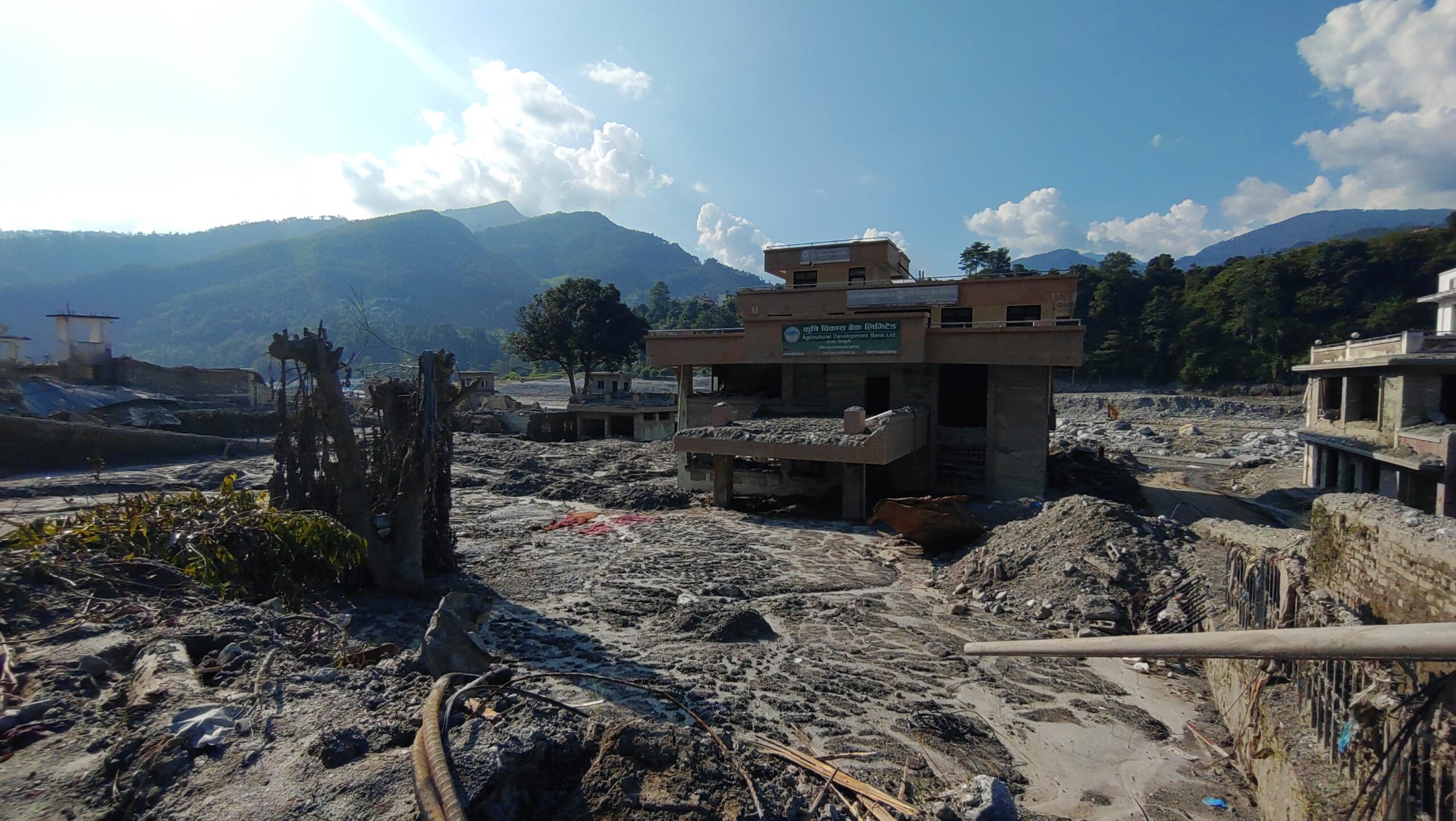
COP31 advanced discussions on the science, technology and economics of loss and damage. But Nepal’s recent mountain tsunami is a stark reminder that not all losses are visible. Trauma, mental health impacts, social disruption and the loss of cultural and emotional wellbeing are equally real and enduring, and a truly people-centred loss and damage agenda must value both economic and non-economic losses. The tragedy in Nepal is not a local crisis but a global warning. True solidarity means moving beyond statements of concern to delivering predictable, accessible and grant-based finance, and the lasting support needed to protect vulnerable communities and safeguard mountain ecosystems.
COP31 is the ‘could-have-been, should-have-been’ COP - with Australia presiding over negotiations on the back of pioneering Pacific frameworks, at a time when weather extremes already force an average of 30 million people into internal displacement every year. Loss and Damage discussions did not include human mobility, another failed opportunity to address growing concerns over climate induced human mobility. Instead of delivering real solutions, governments are hiding behind watered-down procedural decisions without concrete figures or timelines, failing to ensure that Loss and Damage finance reaches affected communities and displaced people faster and more directly with meaningful participation, or that the Global Goal on Adaptation protects and supports migrants and displaced persons. For Ethiopia and the incoming COP32 Presidency, human mobility is not an abstract negotiation item. It is an everyday reality. As both a major refugee-hosting nation and a country of origin where climate-induced displacement intersects with conflict and fragility, Ethiopia sees first-hand how women, children and the most vulnerable bear the brunt of overlapping crises amid severe capacity and financing gaps. Faith-based organisations working alongside local communities witness this reality daily. After COP31 sidelined human mobility and fragility, states can no longer ignore these lived realities. We look to the Ethiopian Presidency to send a clear signal and to translate commitments into concrete action and accessible finance.