PRESS RELEASE
As two weeks of UN climate negotiations end in Bonn, international faith-based humanitarian and development network ACT Alliance sees signs of progress towards the implementation of the Paris agreement. However, progress is slow, and a number of difficult issues still remain to be resolved.
Despite threats of US withdrawal from the Paris agreement, the alliance is happy to see that many other governments engaged in the process to make climate transformation happen.
Speaking from Rajasthan, India, co-chair of the ACT alliance working group on climate change Dinesh Vyas said;
“The urgency to raise ambitions is acknowledged by all governments. In 2018 governments have agreed to take stock of progress under what is called a “facilitative dialogue”, It is crucial that this process becomes a participatory process rather than a one-time event”
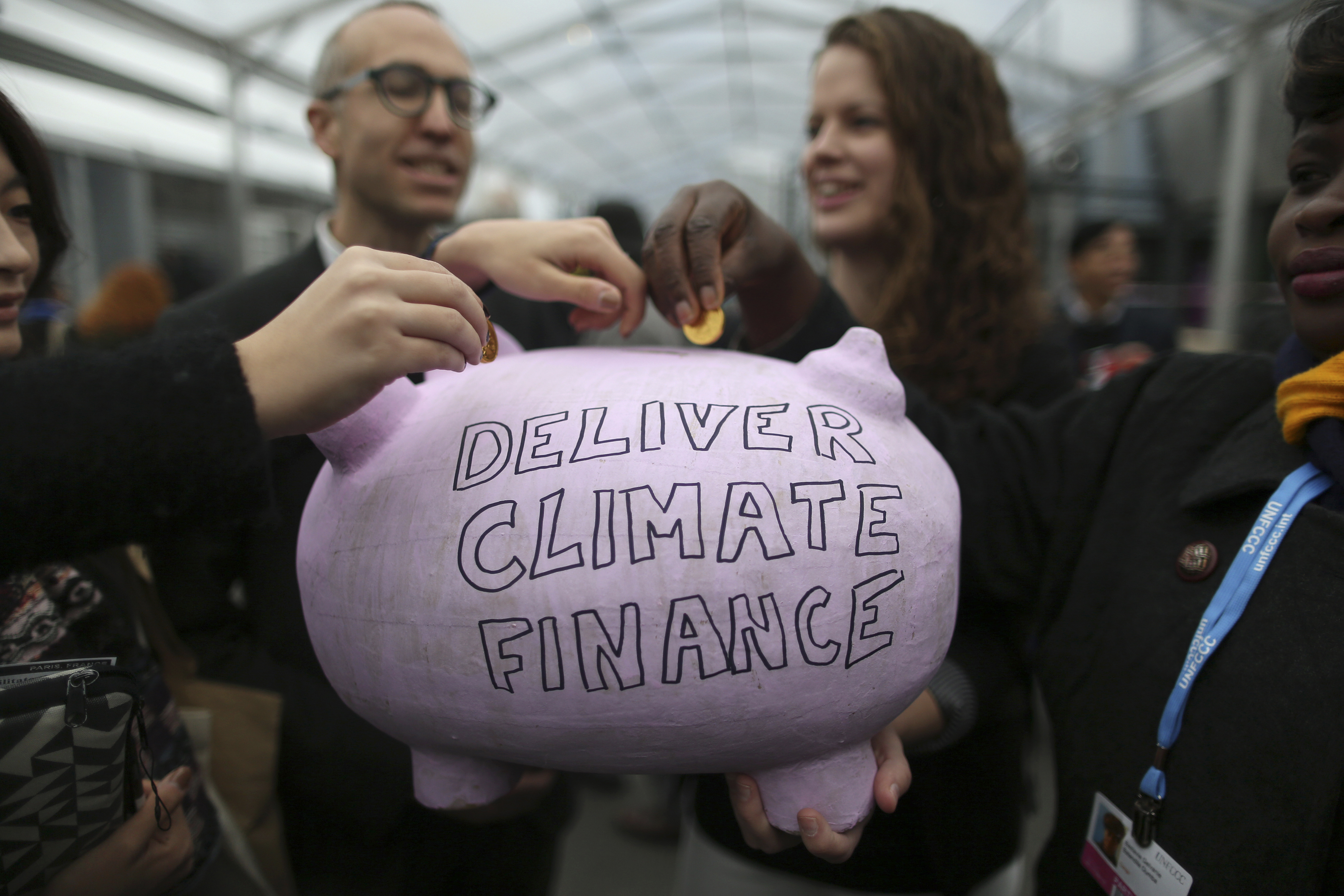
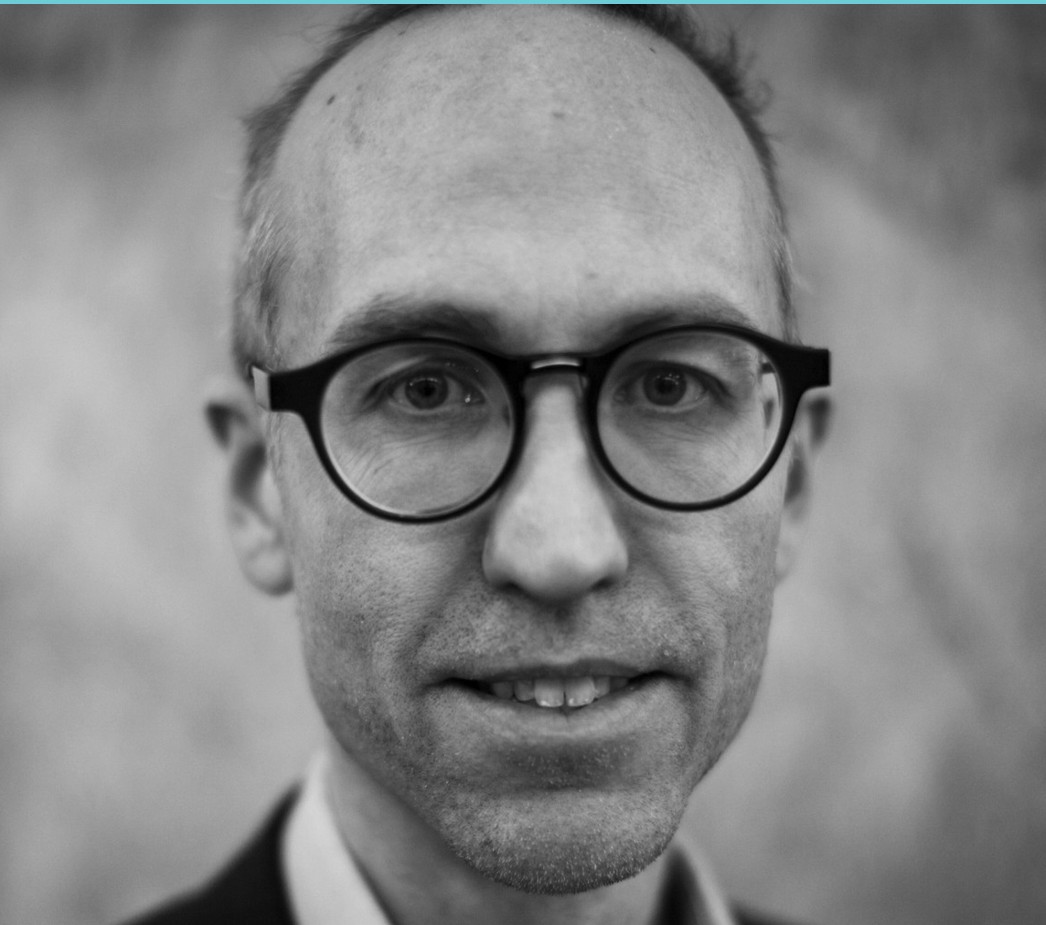
Climate finance has been high on the agenda in Bonn as governments have gone deeper into detail in the negotiations over how to properly count and report on climate finance. Despite different, and in many cases opposing views, small steps were taken. Co-chair of the ACT Alliance working group on climate change, Martin Vogel, from Sweden, commented:
“We welcome progress towards establishing clear rules for what should count as climate finance and how to make sure that finance flows are reported in a transparent way ensuring that developed countries commitments to provide both development aid and climate finance are met. The lack of a clear definition for climate finance is a serious problem today and hurts countries that are most in need by leaving them without the necessary support.”
While agreeing on a clear set of rules for climate finance will be difficult to resolve, it is one of the most important matters in climate policy.
The Bonn session was also included discussions on the future of the Adaptation Fund and how it should serve the Paris agreement. ACT alliance co-chair, Martin Vogel, said:
“The issue of the Adaptation Fund should have been easy to solve by governments. Instead, discussions were lengthy and slow. This unfortunately took time away from many other important discussions that governments should have had, like how to increase and make sure that financial support for adaptation reach the communities that need it most”
Looking ahead, the next COP will be held in just 6 months, this time under Fijian presidency, but again taking place in Bonn. Dinesh Vyas said,
“We strongly believe the next COP should focus on addressing the impacts of climate change. We are convinced that urgent action to combat climate change needs to be urgently taken. As a development and humanitarian network we work closely with poor and vulnerable people who suffer the adverse effects of climate change. It is important to always keep the elements that are closest to these communities on the agenda.
ENDS
- ACT Alliance is a coalition of 144 churches and faith-based organisations working together in over 100 countries to create positive and sustainable change in the lives of poor and marginalised people regardless of their religion, politics, gender, sexual orientation, race or nationality in keeping with the highest international codes and standards.
- For more information or and interview about this press release contact Isaiah Kipyegon Toroitich. Tel: +41 79 825 7899; Email: Isaiah.Toroitich@actalliance.org