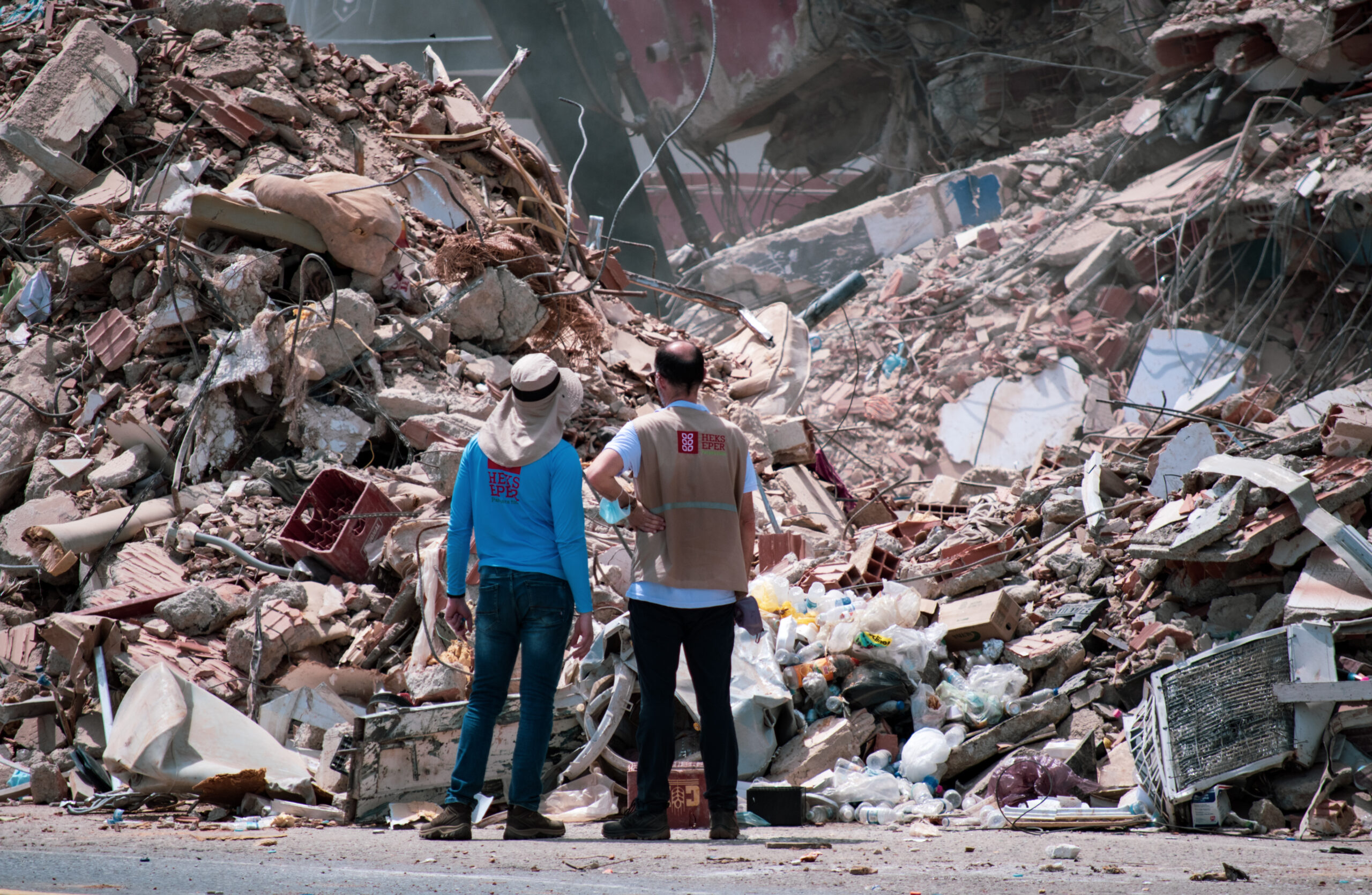
The ACT Alliance humanitarian mechanism has two distinct and important components for responding to emergencies, conflicts, and natural disasters. The first is the appeals system, designed for responding to large scale humanitarian crises caused by events such as the war in Ukraine, the 2015 Nepal earthquake, or Typhoon Haiyan in 2013. The second is the Rapid Response Fund, which allows national ACT members to access funds quickly to respond to small and medium sized crises.
The RRF is undergoing a redesign and expansion designed to make it more efficient and a better fit for the world we inhabit in 2026. The fund is central to ACT’s commitments to localisation, living into our commitments made at the Humanitarian Summit in 2016 and reiterated at the General Assembly in 2024 in our public statement Our Collective Action on Locally Led Humanitarian Response (read it here).
We commit to making the necessary investments and uncomfortable changes and to put listening to local organisations at the core of our approach. We commit to using methodologies that enable locally owned and community-led response.
In 2025, the RRF was activated 17 times over the year distributing $1,577,895, with many of those crisis responses happening in the latter half of the year. The RRF is activated at a global level, with most activations last year seen in Asia (9), Africa (5), but also with 2 in Latin America and the Caribbean and 1 in the Middle East and North Africa.
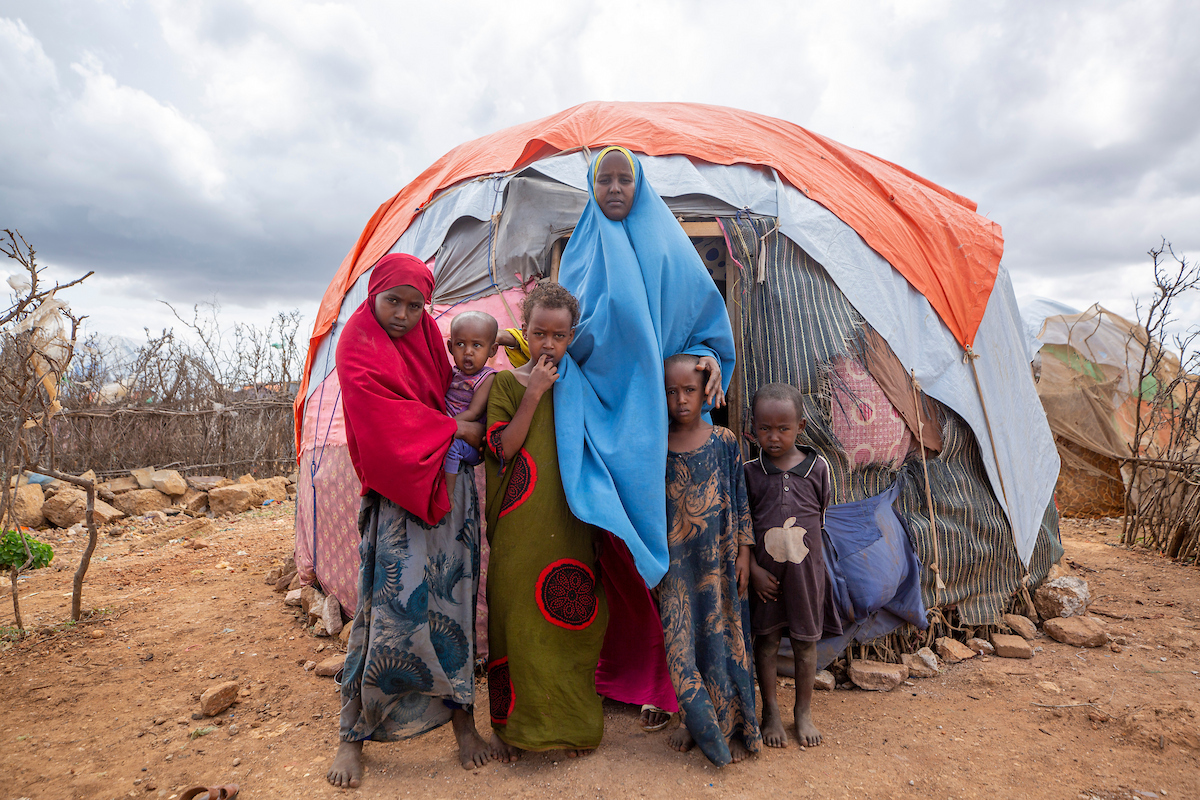
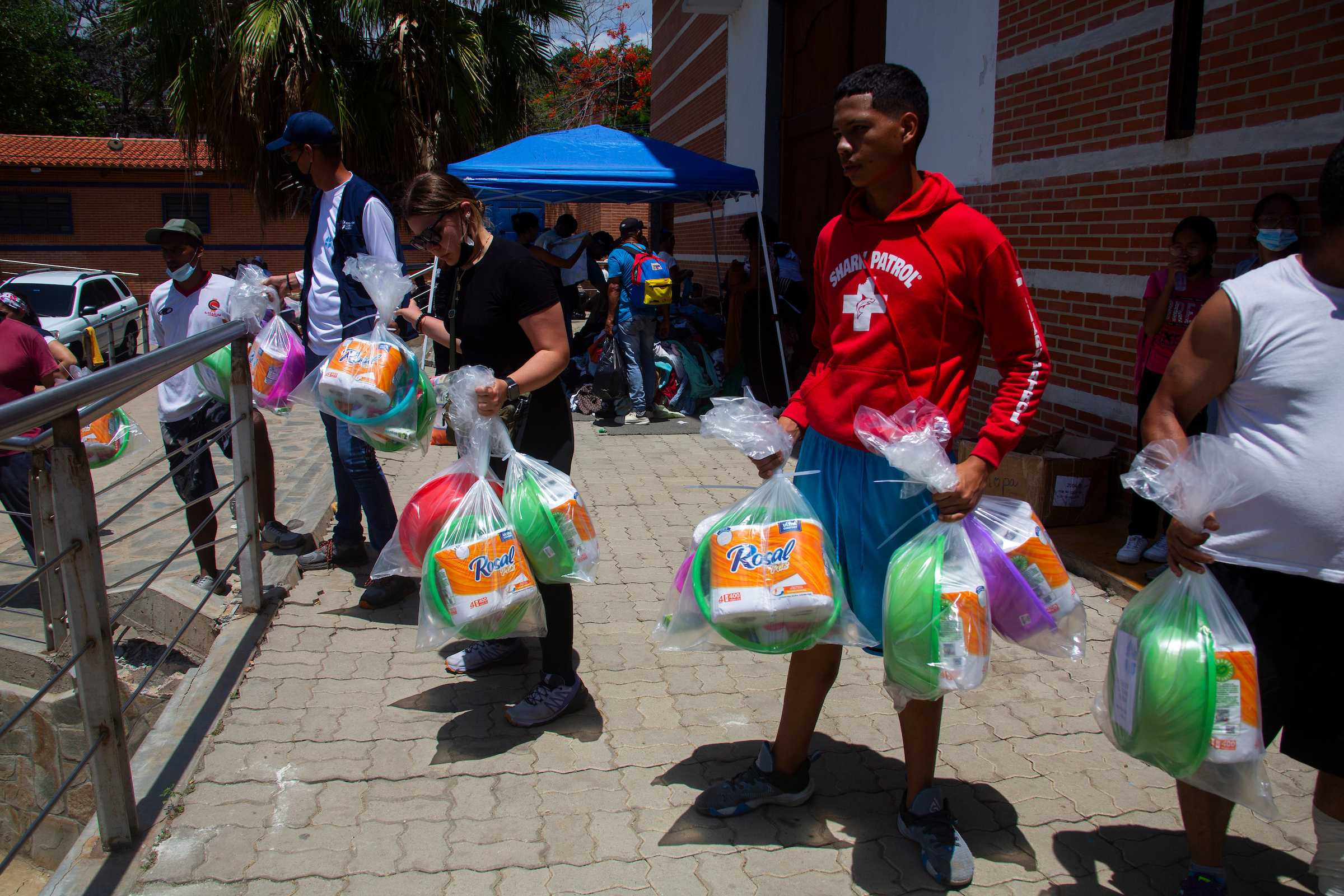
Using RRF funds, ACT members were able to provide life-saving interventions including the provision of food, water, hygiene, shelter, cash, household goods, psychosocial support, protection, and more to those impacted by the various conflicts and emergencies.
A preliminary report on the results of the RRF in 2025 has been released and can be read here. Because so many of the activations happened in the latter part of 2025, only 8 had been fully completed at the time of publication. A full final report will be available in August 2026 when all RRF project activities from 2025 have been completed.. Almost 130,000 people received support through the eight RRFs that have been fully reported upon from last year.
ACT has learned important lessons from the work last year. For example, multi-purpose cash assistance is a very useful and flexible way of supporting people. Taking part in RRF projects has led forum members to work more closely together, in Indonesia even leading to join monitoring work by members. Other members reported back that complaints mechanisms were often better used and appreciated when they included informal channels through community and village leaders, with whom participants in the programmes are more comfortable talking. And there is a need to invest more in staff capacity within national ACT members who are engaged in the RRF programming, as they are often relying on volunteers for programme delivery.
ACT is seeking to expand the RRF to respond to more emergencies around the world. We have launched the Global RRF Appeal for 2026, which can be found here. In the first two months of 2026, the RRF has been activated 6 times already, for responses in Cambodia, Burundi, Zimbabwe, Pakistan, Afghanistan and Madagascar.
To contribute to the appeal, or to learn more about the appeal, please contact Claire Finas, ACT’s Rapid Response Fun Manager, or Niall O’Rourke, ACT’s head of humanitarian affairs.