Opinion Piece by Illari Aragon
Policy and Advocacy Lead – Climate Resilience, Christian Aid
Co-Chair, ACT Alliance Climate Justice Group
Later this month, we will see a milestone moment in climate diplomacy. The first global summit dedicated entirely to phasing out fossil fuels is set to take place from 28-29 April in Santa Marta, Colombia, a meeting that feels both overdue and timely.
For years, international climate negotiations have circled around fossil fuels without directly confronting the core issue: how to phase them out. That began to change in 2023 at COP28, when countries agreed, for the first time, to “transition away from fossil fuels.” This was a political breakthrough that signalled an intention to move beyond the fossil fuel age. However, the data tells a different story: the world is still on track to produce far more oil, gas, and coal than is compatible with limiting warming to 1.5°C.
At COP30, efforts to include a roadmap to transition away from fossil fuels as part of the outcome halted, exposing deep divisions between countries.
Against this backdrop, the Santa Marta conference stands out, not because it will solve these challenges overnight, but because it shifts the conversation meaningfully. This Conference will not debate whether to phase out fossil fuels, instead, it will talk about “how”.
A different kind of space
One of the most interesting aspects of the Santa Marta conference is about what it is not. It is not a formal UN climate negotiation, and it is not expected to deliver a binding agreement or a negotiated outcome.
Instead, it creates space for countries that are willing to engage and discuss openly how to advance a transition away from fossil fuels, highlighting what this means to different countries and the barriers to doing so. This matters because in the formal multilateral process, consensus is often hard to reach (as we saw in COP30), and ambition can be diluted (to bring everyone on board). A non-negotiation forum can allow for more practical, promising, and forward-looking discussions, keeping this vital issue in focus.
Nearly 50 countries have confirmed participation to the Santa Marta Conference, including major fossil fuels producers such as Canada, Australia, Norway, Brazil – signalling their willingness to engage in the transition debate and its multiple challenges. Private sector actors, indigenous representatives, and civil society organizations will also participate.
It is important to highlight that the conference is not operating in isolation. It is designed to complement the UNFCCC climate process, with outcomes expected to inform and contribute to parallel processes, including the roadmap on transitioning away from fossil fuels led by the COP30 Presidency, to conclude at COP31.
Why now?
Geopolitical tensions, particularly in the Middle East, have exposed once again how vulnerable global energy systems are to geopolitical disruption. Rather than reinforcing the case for fossil fuels, these crises highlight the risks and threats we are under due to our dependency on them.
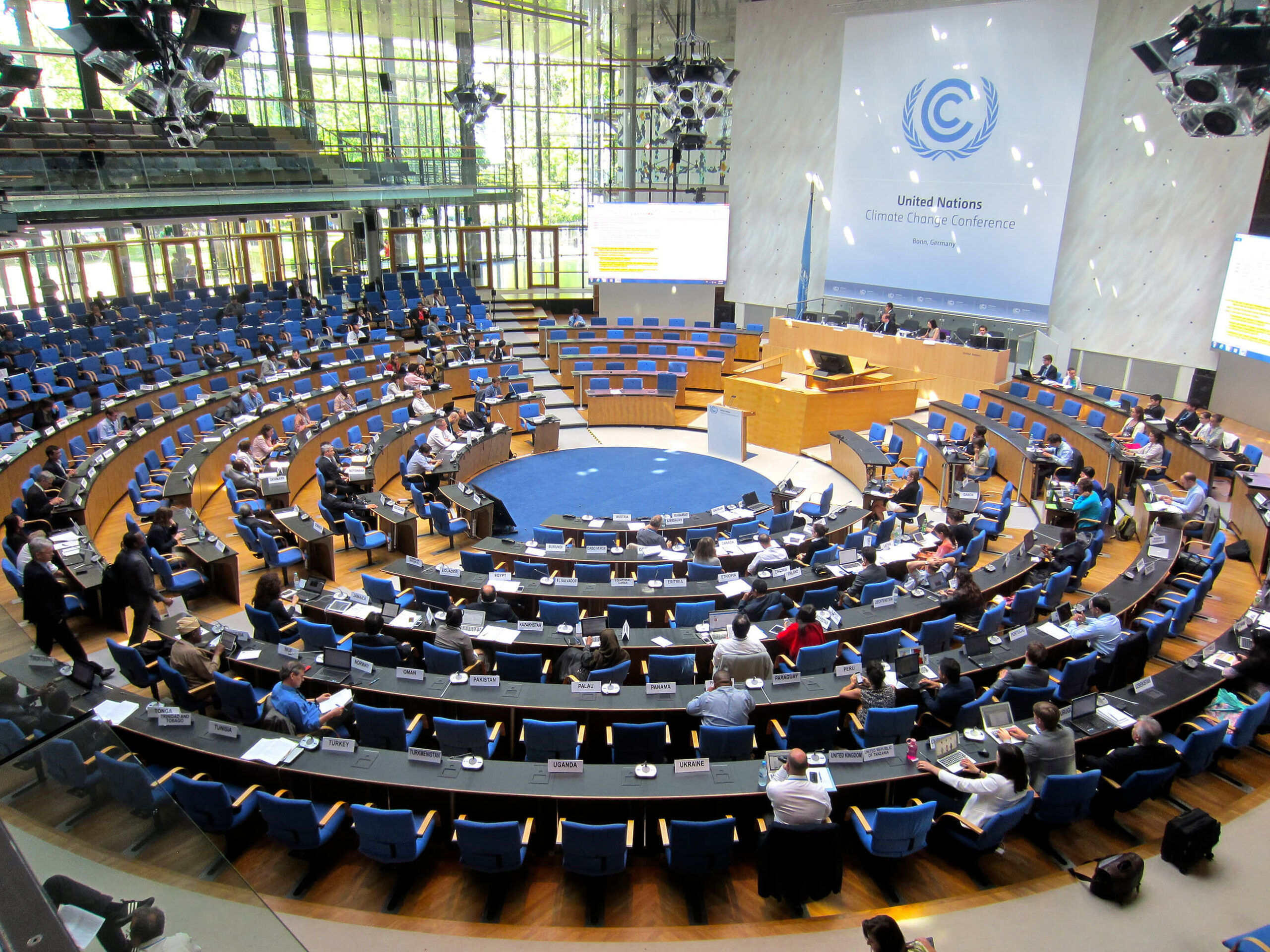
There is also growing frustration with the lack of progress in the multilateral spaces, such as COP meetings under the UNFCCC framework. The UN multilateral system on climate has delivered important achievements, and it remains essential, but it has struggled to address the root causes of the climate crisis and stop the continued rise in emissions. Initiatives such as the Belem Declaration on a Just Transition Away from Fossil Fuels, which emerged on the margins of COP30, demonstrated willingness by a small group of countries to move ahead, even without consensus.
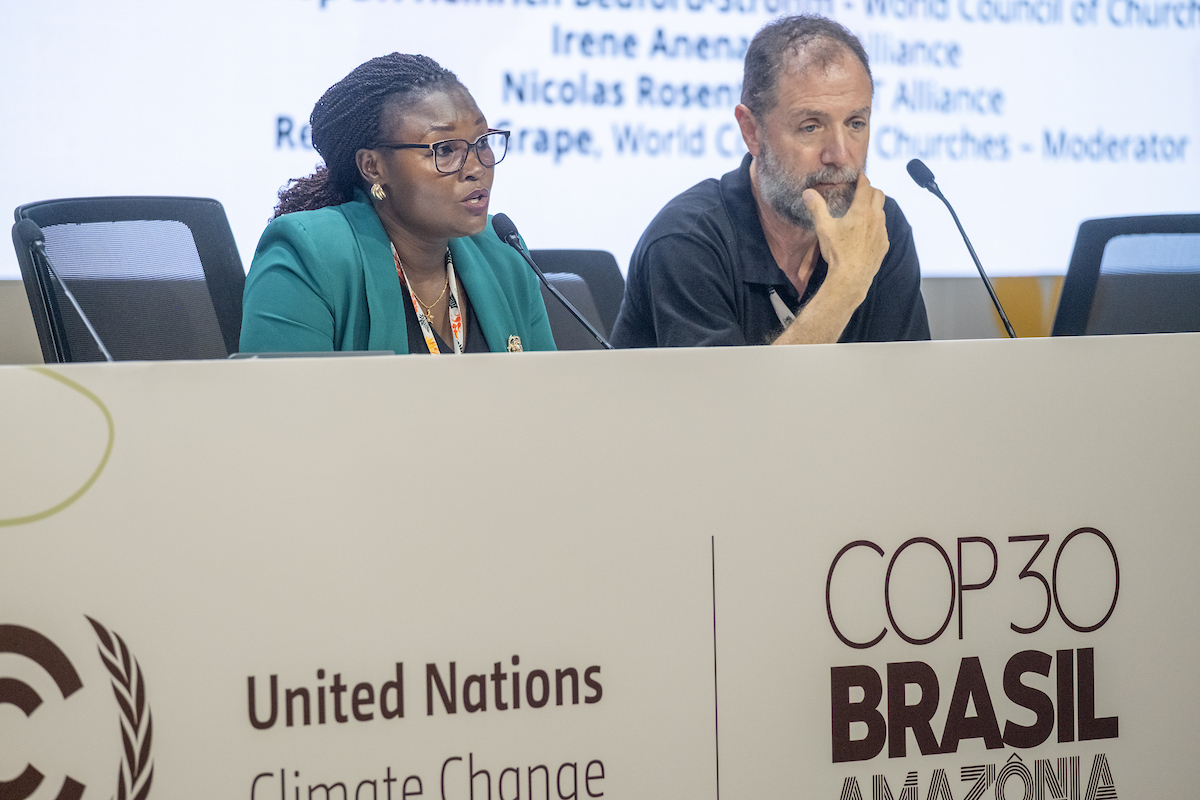
“It is sad that COP30 in Belem could not deliver a strong commitment to transition away from fossil fuels. Parties were too far apart and could not ramp up ambition. However, at the same time, it was great to see 80 countries, led by Colombia and the Netherlands, take leadership by creating a coalition of the willing to accelerate the phase-out of fossil fuels and push for a voluntary roadmap. This, however, does not signal the end of the multilateral process. The Santa Marta meeting will act as a catalyst, and I do hope that the promise to transition away from fossil fuels will be addressed at the upcoming COP31 in Antalya, Turkey.”
Civil society is also stepping up. Faith-based organizations from different religions are increasingly supporting calls for global cooperation to stop the expansion of fossil fuels and accelerate the transition to renewable energy with equity. Initiatives such as the Faiths for a Fossil Free Future, a global, multi-faith coalition rooted in climate justice, are helping to build momentum. Its Multi-Faith Letter in the lead-up to the Santa Marta conference provides an important opportunity to demonstrate collective support.
At the same time, in Christian Aid, we are working with partners to develop shared strategies to push for a just energy transition in Africa. Recently, we co-convened a meeting with ACT Alliance in Nairobi, Kenya, to dissect what it means to embark on a just energy transition on the continent, and how CSOs can be most effective in supporting this process.
Taken together, these efforts point to a broader shift: from abstract language to more concrete discussions about implementation.
The real challenges ahead
We expect Santa Marta to engage and address credibly two challenges:
- First, the governance gap: Despite growing political momentum, there is still no international framework that requires countries to stop expanding fossil fuel production or to manage a fair phaseout; meanwhile, fossil fuel production continues to increase. This gap is becoming harder to ignore. Conversations around a Fossil Fuel Treaty are gaining traction, and while formal negotiations may still be a way off, Santa Marta could help build the political coalition needed to move that idea forward.
- Second, equity and feasibility: Transitioning away from fossil fuels is not just about setting milestones and targets; it is about transforming economies, which will inevitably have social impacts. Many countries are still deeply dependent on fossil fuel revenues. Colombia for example, where coal and oil have made up more than half of export revenues in recent years, underscores the scale of the challenge. For these countries, the transition raises difficult questions: how to diversify economies, how to maintain fiscal stability, how to balance severance debt and transition costs, and how to protect jobs. Without credible answers that include financial support and strong international cooperation, a phaseout will be unrealistic.
At the same time, energy access remains a critical challenge. In many parts of the world, but particularly in Africa, energy poverty continues to limit development and opportunity. It is difficult to talk about an energy transition when around 600 million people on the continent still lack access to electricity. Any credible conversation about transitioning away from fossil fuels must also address how to expand energy access, to leave no one behind.
What should we look for?
There are different and complex barriers to the energy transition, and it would be unrealistic to expect a sweeping set of solutions from Santa Marta. But that does not mean the conference cannot deliver meaningful outcomes. Important outcomes from the conference would be:
- A shared set of principles for a “just, orderly, and equitable” transition – going beyond existing language from COP28 and beginning to define what that actually means in practice, emphasising what is needed to achieve these, potentially serving as a first step toward a more detailed conversation in a second conference later in the year.
- Another would be to grow the number of states and non-state actors, like cities, willing to push for more concrete action. This could include supporting diplomatic efforts like the Fossil Fuel Non-Proliferation Treaty, which already has backing from more than 15 countries and over 100 cities.
“The transition out of fossils fuels is a 'must-happen' . Santa Marta presents a landmark and the first global moment for countries to engage on fossil fuel phase out and pathways to transition out of fossil fuels in a fair manner. The conference should deliver commitment to a long-term based engagement that replaces the current unfair, and unjust fossil fuel system with an inclusive, fair, and equitable resilient system. Santa Marta must offer the much-needed building blocks for global cooperation and political support that trigger economy wide just transitions.”
Ultimately, the significance of Santa Marta may have less to do with its immediate outputs and more to do with the direction of travel it can help to create. For the first time, a group of countries is coming together not to debate “whether” to act, but “how” to act. That shift in focus might be its most important contribution.