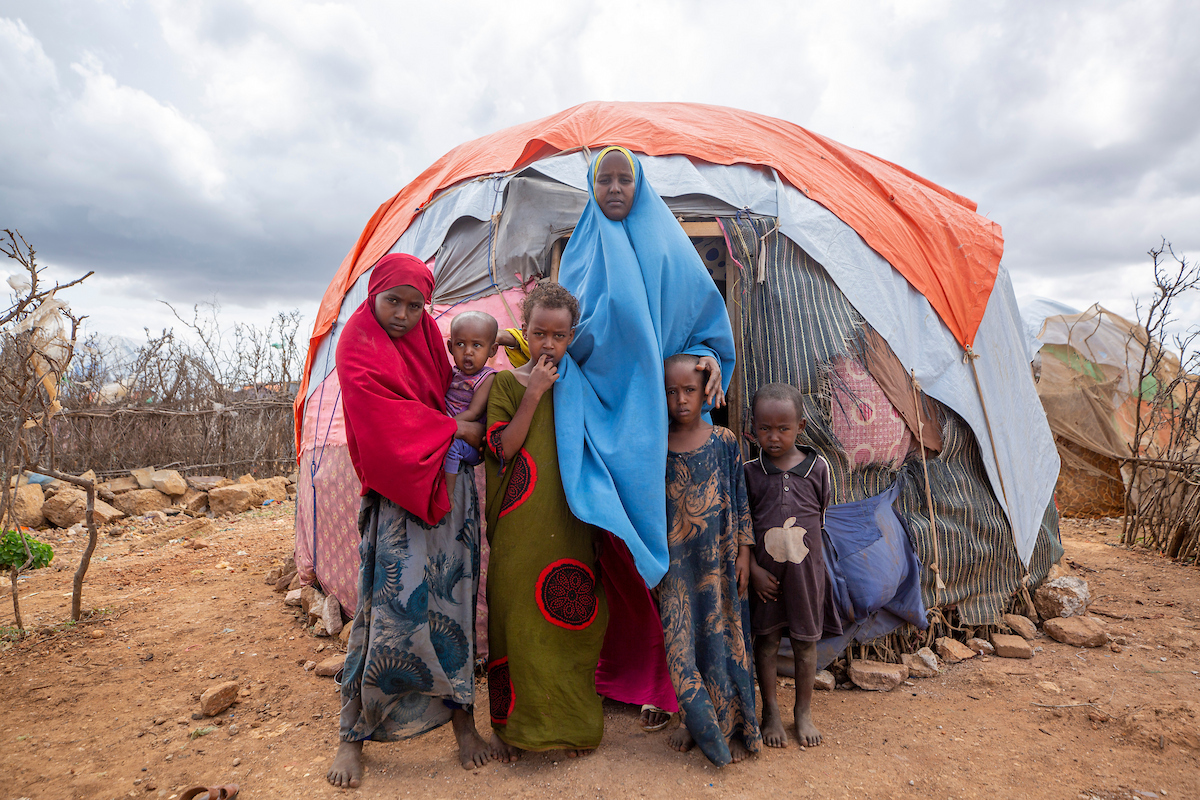
Humanitarian response is a core pillar of ACT Alliance’s work, with preparedness playing a critical role. This is why capacity strengthening is essential to deliver critical support to communities facing a crisis. This week, ACT Alliance hosted national members from the East and Horn of Africa for a regional Emergency Preparedness and Response Plans (EPRPs) Workshop. The region has experienced recurring and interconnected crises, including floods, drought, and displacement, requiring a coordinated approach through regional appeals and Rapid Response Funds.
Members from Kenya, Uganda, Tanzania, Ethiopia, Burundi and South Sudan face similar disaster risks. The workshop therefore created a strategic space to explore regional consortia models, grounded in a realistic assessment of members’ capacities and competencies, and to identify how resources, including surge capacity, can be shared more effectively through a regional Emergency Preparedness and Response Plan.
These assessment and learning moments, increase the alliance’s ability to respond effectively to a wide range of emergencies, ensuring improved coordination and timely action. Through national and regional ACT Forums, members can jointly develop EPRP plans, building a shared understanding of potential risks and agreeing on how the forum will respond when crises occur.
Why are EPRPs important?
Emergency Preparedness and Response Plans are central to strengthening effective humanitarian action and is a crucial element of ACT Alliance humanitarian mechanism:
- The EPRP is a mandatory requirement for ACT members to access humanitarian funding mechanisms.
- EPRPs equip member organizations to respond effectively to crises within the specific contexts in which they operate.
- The EPRP process guides members to identify and analyse risks, determine when and how to respond, and assess the capacities and resources required.
Through this forward-looking analysis, members are better positioned to anticipate potential disasters and address gaps in capacity and resources before emergencies occur.
One practical application of the Emergency Preparedness and Response Plan has been at the individual member level. It enables members to access ACT Rapid Response funds in a timely manner, act as first responders in their communities, and deploy humanitarian assistance more efficiently while coordinating with local authorities and other stakeholders.
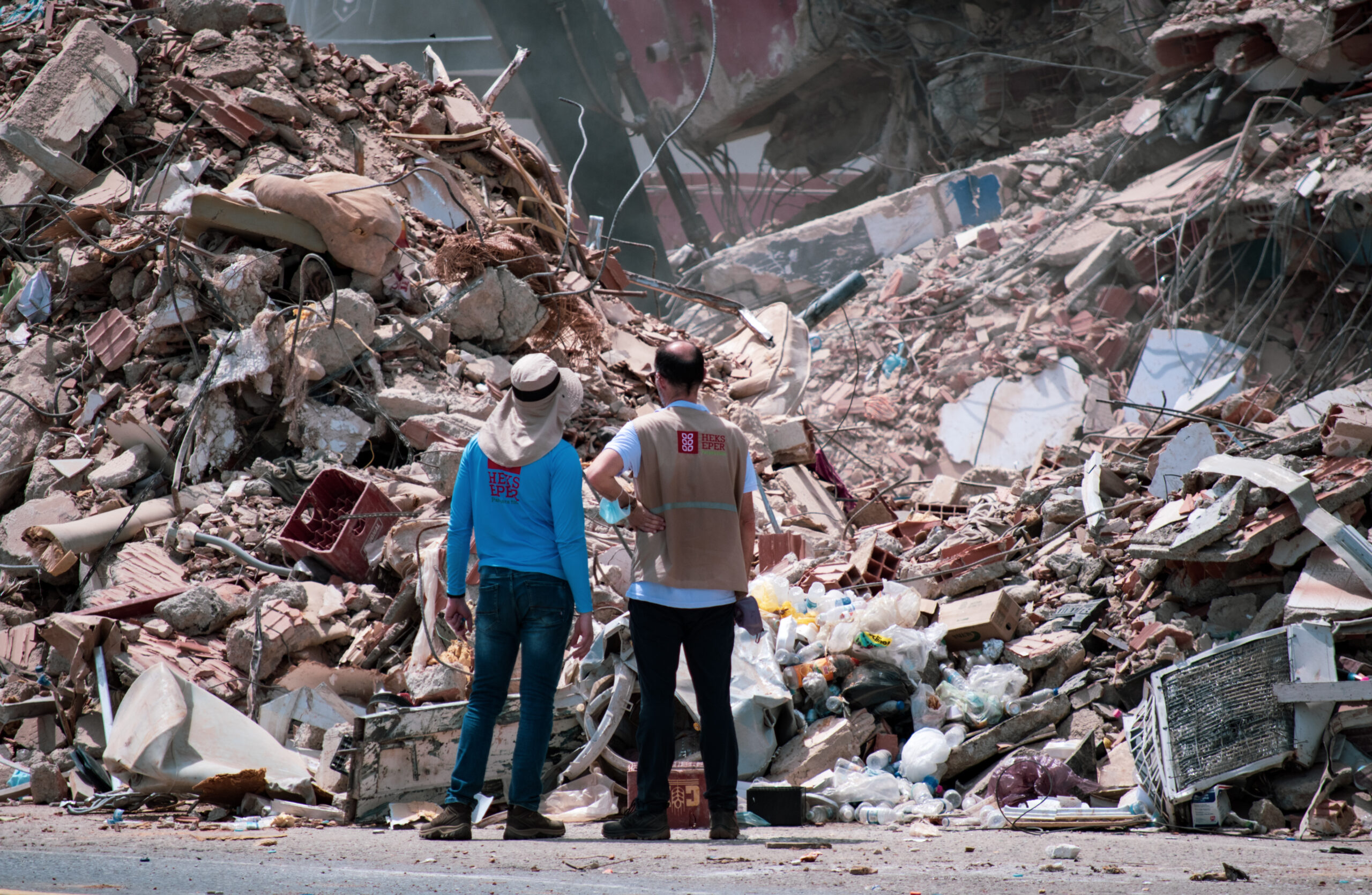
For example, when landslides struck Ethiopia in March this year, two ACT members, the Ethiopian Orthodox Church Development and Inter-Church Aid Commission (EOTC-DICAC) and the Ethiopian Evangelical Church Mekane Yesus (EECMY), activated their response promptly, helping to save lives.
At forum level, Emergency Preparedness Plans, when updated annually, help keep members informed of changes in each organisation’s capacities, geographical presence, risks and hazards. At regional level, particularly in the East and Horn of Africa, preparedness for cross-border and cross-cutting emergencies is equally critical.
As part of ACT Alliance’s strong commitment to localization, the workshop included discussions on approaches such as Supporting Community-Led Responses (SCLR) and Anticipatory Action Approaches. These conversations emphasized placing communities at the centre of humanitarian action and shifting toward anticipatory and proactive approaches rather than purely reactive responses.
Unlike conventional aid models that focus on responding to communities, the SCLR approach challenges existing aid systems to become more flexible, influence and reshape standards, and catalyze meaningful change. Its aim is to reform the humanitarian system so that communities can directly access resources and hold the power to respond for themselves, rather than having responses delivered to them
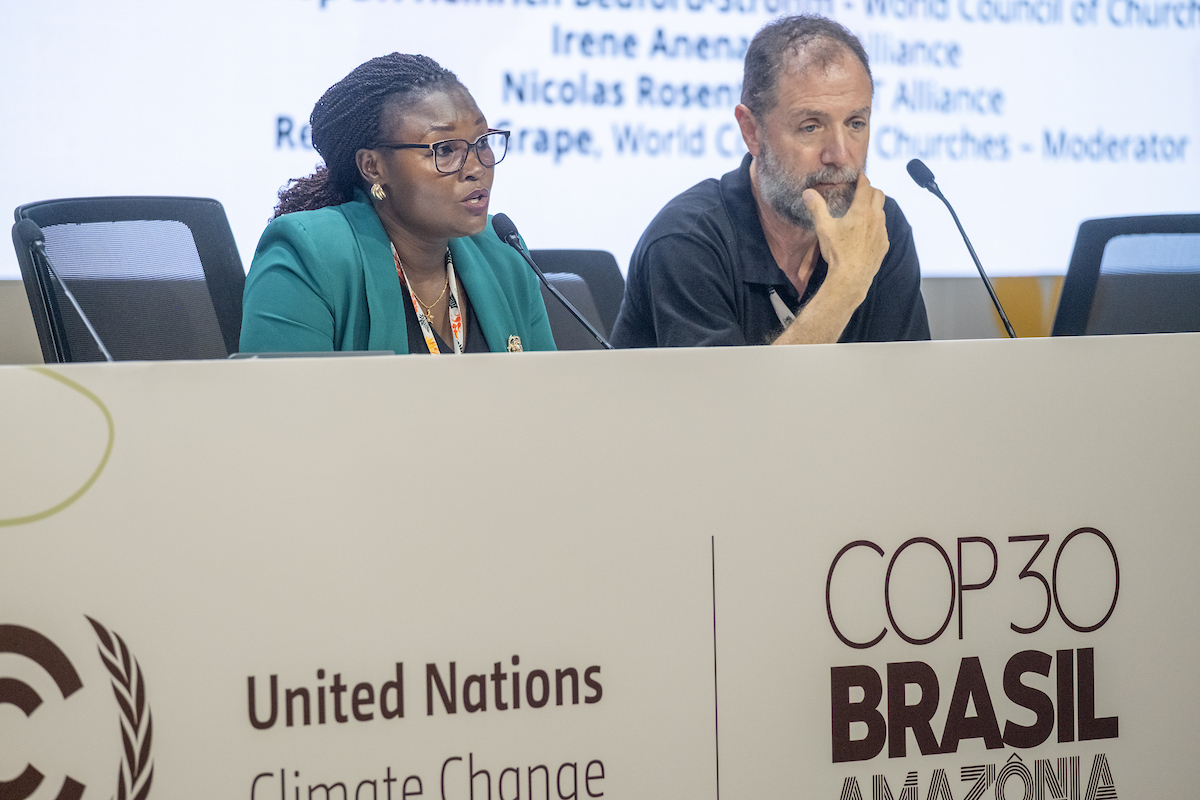
Nicholas adds that the change from survivor community-led response to supporting community-led response was informed by emerging evidence from practice, whereby the use of the terminology survivor depicts community members as helpless victims of crises and therefore disempowering.
Strengthening coordination at forum level
At forum level, ACT members continue to strengthen their humanitarian work by positioning Emergency Preparedness as a key agenda through dedicated humanitarian working groups. One inspiring example shared during the workshop was from the ACT Kenya Forum, where a strong humanitarian working group operates not only during emergencies but also as an ongoing space for collaboration, knowledge-sharing, and coordination. Beyond professional collaboration, the group has grown into a supportive community of humanitarians who care for one another at a personal level.
Beyond work, we come together to celebrate each other’s happy moments as well as walk together through difficult ones. This makes us stronger as a team and deepens our sense of support and community
Similarly, forums in Tanzania, Uganda, Ethiopia, Burundi, and South Sudan reported strong coordination within their humanitarian working groups. These groups continue to foster engagement with government bodies, enhance country-level coordination, and strengthen collaboration with international ACT members operating within the same contexts.
Collective strength through strong membership
As a forum-centred Alliance, our effectiveness depends on the collective strength of its forums and the individual members that comprise them. Each member’s unique capacities and expertise play a critical role in shaping forum vitality, strengthening engagement, and enhancing the quality of program implementation across ACT Alliance’s humanitarian work. By investing in preparedness, coordination, and community-led approaches, ACT Alliance members continue to build a more effective, locally led, and forward-looking humanitarian response across the region.