As Africa commemorates the Day of the African Child, the ACT Alliance Africa Gender Justice Community of Practice convened a high-level webinar calling for urgent action to advance water, sanitation, and hygiene (WASH) justice for girls and marginalized children. This years’ Day of the African Child theme – “Assuring sustainable water availability and safe sanitation systems to achieve the goals of Agenda 2063” calls for action beyond the commitments.
Bringing together global experts, faith actors, and youth leaders, the discussion emphasized a shared reality ensuring dignity, equality, and participation for children today, which is key to building a just and sustainable future for all.
How is Access to Water and Sanitation and Hygiene a Fundamental Human Right?
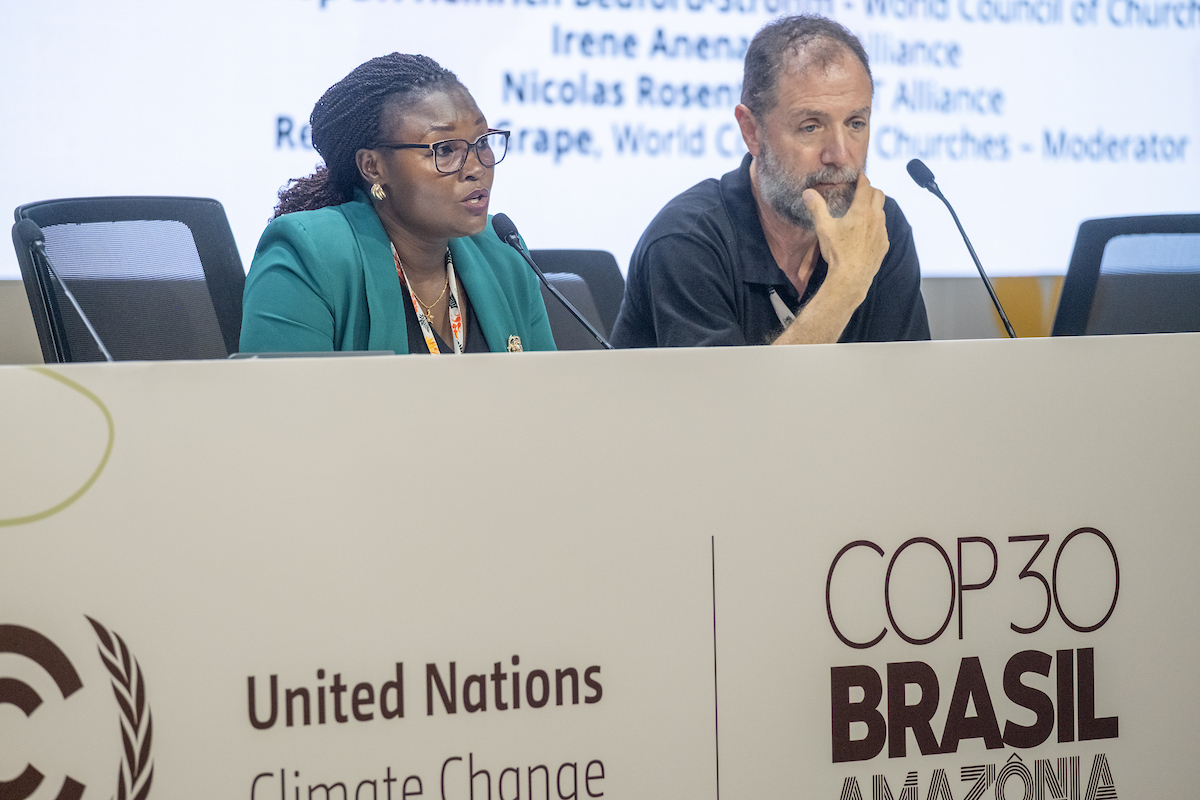
Delivering the keynote, Chris Cormency (UNICEF) reaffirmed that access to WASH is a fundamental human right. Despite progress over the last two decades, major gaps remain.
Africa has made notable progress in expanding WASH services. Since 2000, approximately 375 million people have gained access to safely managed drinking water, 299 million to improved sanitation, and 160 million to basic hygiene services. However, this progress has not kept pace with rapid population growth from 824 million to 1.4 billion, which continues to place immense pressure on already strained systems and widen inequality.
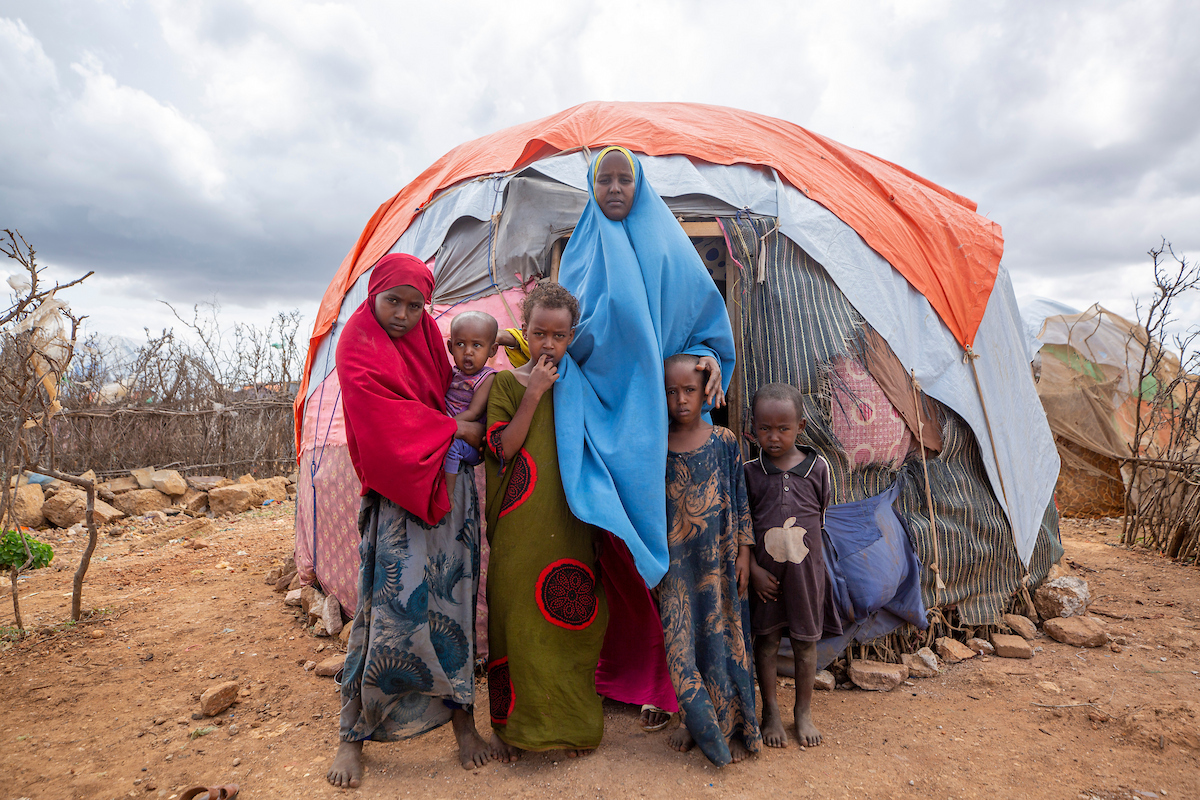
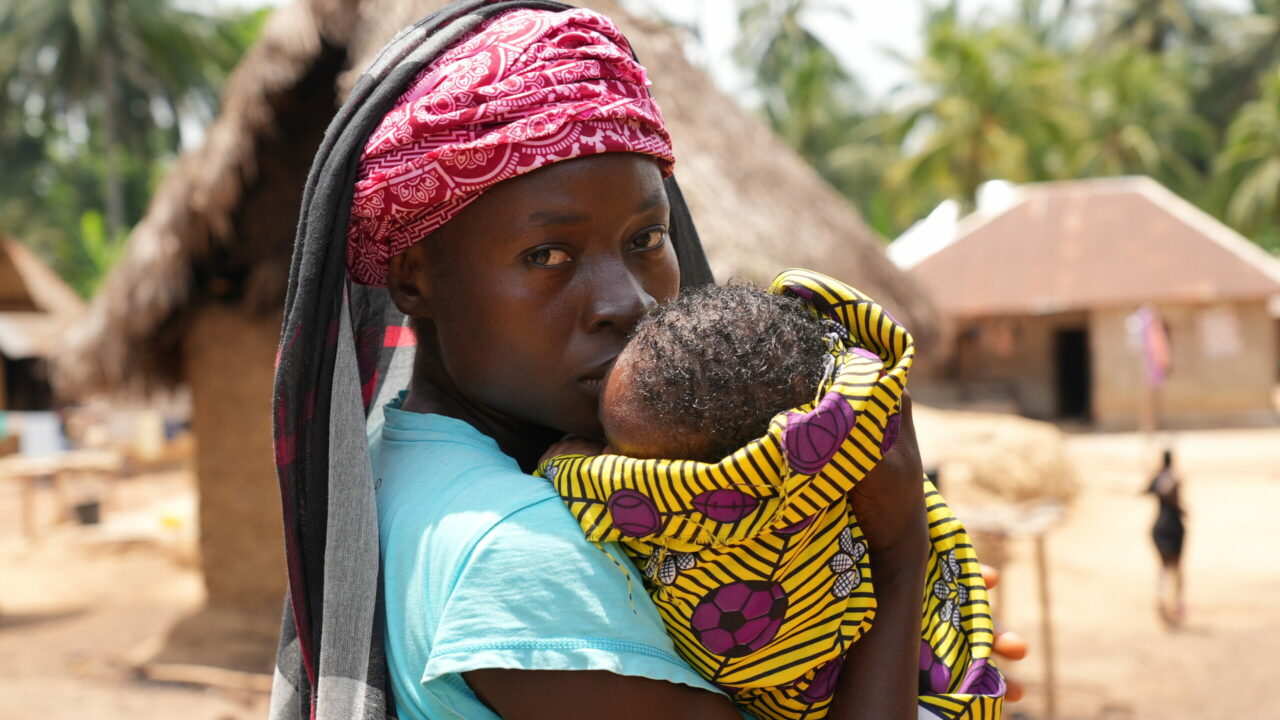
A key concern is that children bear the greatest burden. Many spend hours collecting water rather than attending school, while girls often miss classes due to inadequate menstrual hygiene support. Those in rural areas, informal settlements, and fragile contexts remain the most affected.
Practical Solutions on Integrating gender justice in Water, Sanitation and Hygiene programming.
Providing insights from working on water, sanitation, and hygiene over two decades, Gedewon Teka from Norwegian Church Aid in Ethiopia highlighted how gender inequality lies at the heart of the WASH crisis. Across Africa, women and girls shoulder the responsibility for water collection, losing time and opportunities while facing heightened risks.
1 billion people lack safely managed drinking water services, and women and girls spend 250 million hours every day collecting water for their families
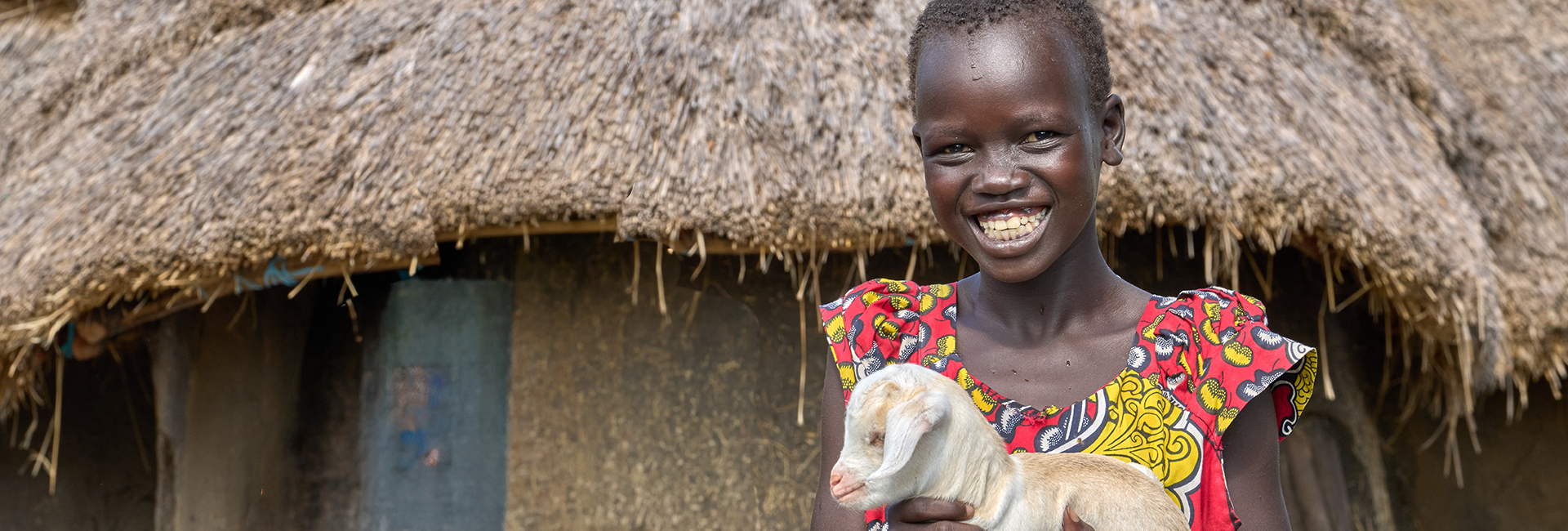
He shared examples from NCA’s work with communities in Ethiopia. In southern Ethiopia, he described the case of a 12-year-old girl from a pastoralist community whose family previously relied on water collected from sand in dry riverbeds, sometimes accessing as little as 20 litres per day. Through NCA’s interventions, including the construction of a sand dam, wells and a gravity-fed water system, more than 15,000 people now have improved access to water. This means children like her can spend more time in school instead of searching for water.
He also highlighted NCA’s work on menstrual health, including initiatives that support young girls to produce and sell reusable sanitary pads. This not only helps girls stay in school but also creates sustainable livelihood opportunities. The need is significant: an estimated 50 percent of Ethiopian schoolgirls miss up to four days of school each month because they lack access to menstrual hygiene products and adequate facilities.
When women lead and communities take ownership, water,sanitation and hygiene systems become more effective and long-lasting.
Supporting child-led advocacy through faith communities
Nyambura Gichuki, from Arigatou International, highlighted the importance of child-led advocacy, emphasizing that children are not beneficiaries but active contributors. She shared the case of a 17-year-old from Nigeria who successfully advocated for toilets in her school after 17 years without facilities. By building children’s knowledge and skills and providing platforms for participation, communities can unlock their potential to influence policy and improve services.
Drawing on her organization’s work, where they engage children and faith leaders, she encouraged faith actors to support child-led advocacy, use local evidence and storytelling, and promote values-based engagement.
Equipping children to speak up transforms not only their lives, but entire communities.
Youth Voice: From Dreams to Action
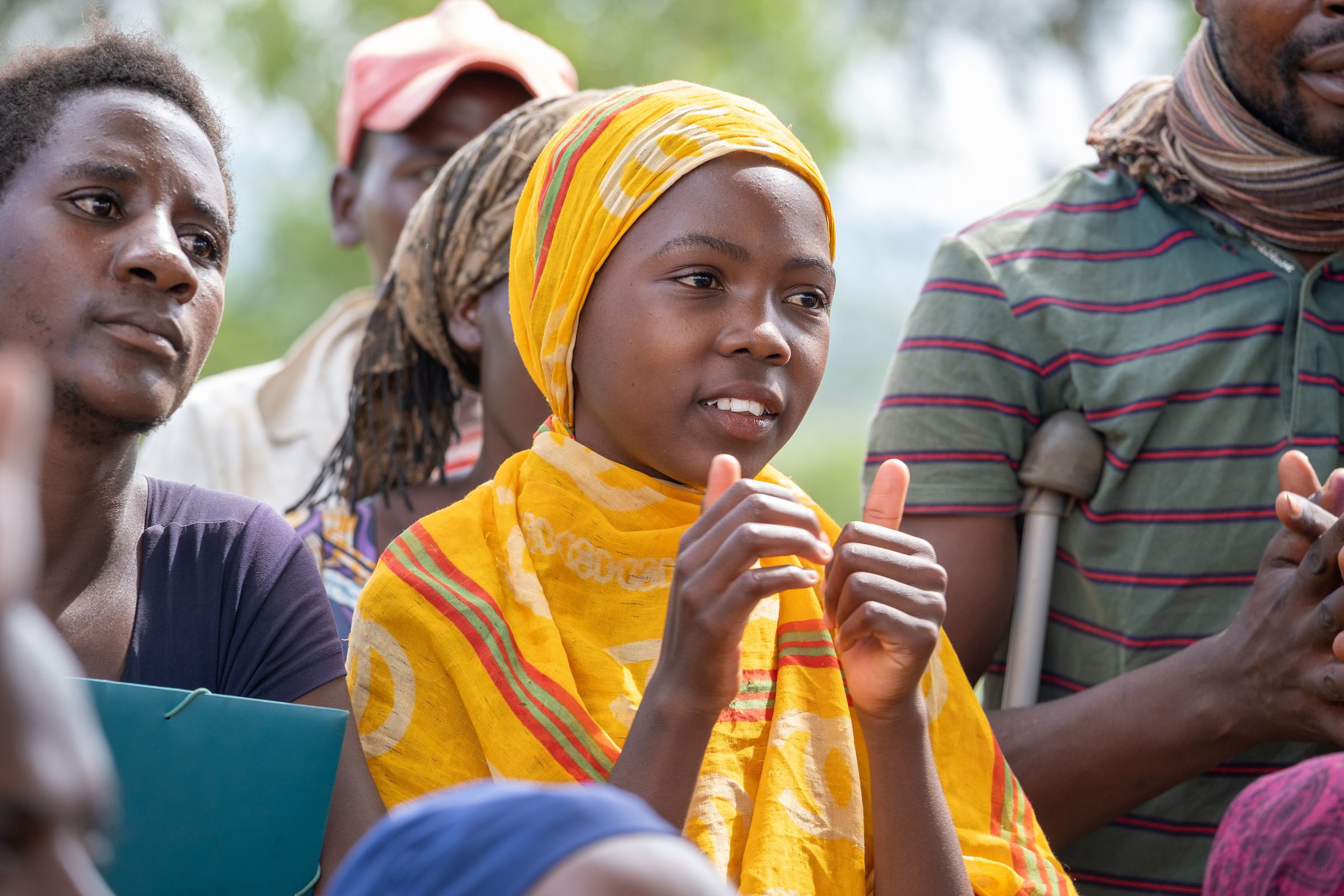
From Tanzania, youth ambassador Janeth, who is part of a powerful initiative under the ACT Tanzania Forum known as “Waking the Giant Initiative”, emphasized the importance of listening to children: Janeth pointed out that meaningful participation of children and youth creates confident, responsible future leaders. She reminded everyone that before becoming adults, they were once children. Therefore, leaders and parents must ensure that the environment they create for children is safe, enjoyable, and fulfilling, even in their absence.
From Dialogue to Action
On the Day of the African Child, members of the ACT Alliance Africa Gender Community of Practice call for urgent action to ensure sustainable access to water, safe sanitation, and menstrual health for all children.
These priorities are essential to achieving the Sustainable Development Goals and advancing the vision of Agenda 2063.
We call on governments, faith actors, communities, and partners to:
- Institutionalize gender-responsive water, sanitation and hygiene budgeting
- Guarantee safe and private sanitation
- Standardize and subsidize menstrual hygiene products
- Engage faith and community leaders to combat stigma
- Enforce tech company accountability for child safety
- Eliminate WASH inequalities across regions and groups
- Institutionalize child participation in decision-making
- Create holistic safe spaces for children
- Strengthen African Union accountability mechanisms
Read the call to action here.