Humanitarian

ACT Alliance is the leading faith-based alliance in humanitarian response, working with faith and humanitarian actors at the global, regional, national, and community levels. ACT harnesses the combined strength of its members in delivering humanitarian response at scale and with considerable reach through joint programming approaches.

We commit to an effective ecumenical response that saves lives and maintains dignity, irrespective of race, gender, belief, nationality, ethnicity, or political persuasion. Humanitarian needs define our priorities and the humanitarian principles of humanity, impartiality, neutrality, and independence guide our actions. We remain committed to strengthening the resilience of affected communities and to being accountable to people and communities affected by a crisis. The ACT Alliance Secretariat adheres to the Core Humanitarian Standard on Quality and Accountability and is committed to the Sphere Humanitarian Charter and Minimum Standards in Disaster Response.

Our goals

  • Ensure coordination of ACT Alliance’s humanitarian responses so that they are managed efficiently, delivered in a timely manner and evidenced appropriately.
  • Work with ACT forums and members to strengthen the resilience of disaster affected communities.
  • Support ACT forums and members to collaboratively ensure accountability to disaster affected populations in line with the Core Humanitarian Standard (CHS) commitments and the Sphere Minimum Standards
  • Support member-led and evidence-based humanitarian advocacy initiatives that amplify the voices of disaster affected communities.
act alliance logo

Key achievements

01

Since launch of the revised ACT Humanitarian Policy, US$82 million was mobilised for ACT’s Humanitarian Appeals in the period 2022 – 2025.

02

ACT Emergency Appeal coverage (the total amount of funds generated versus budget) has risen from 28% to 40% from 2018 to 2025.

03

Pilot Triple Nexus Appeal launched in Iraq & Jordan in 2025 in line with commitment made at the 2024 ACT General Assembly in Yogyakarta.

04

Launch of plan for Expansion of Rapid Response Fund with appointment of dedicated RRF Manager (effective October 2025).

We are active in more than 120 countries worldwide

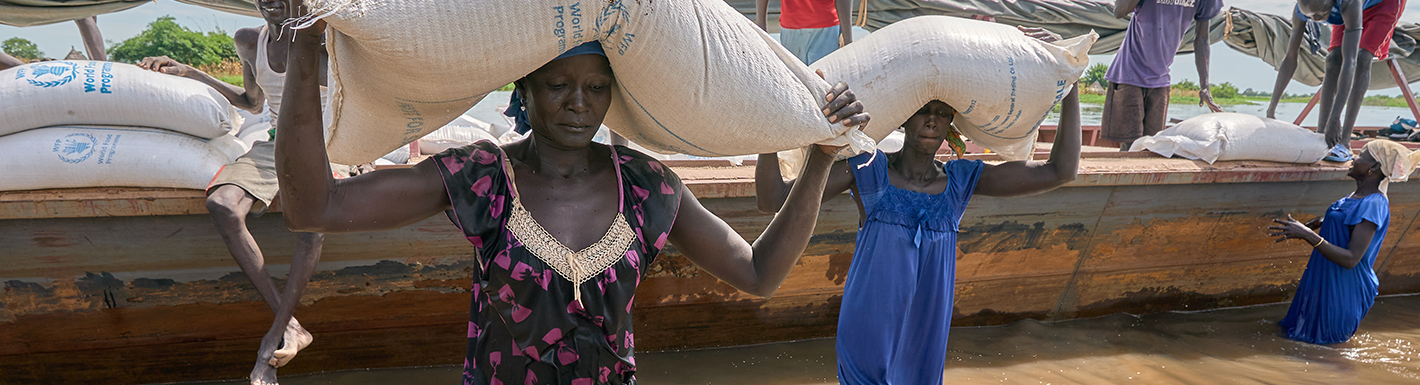
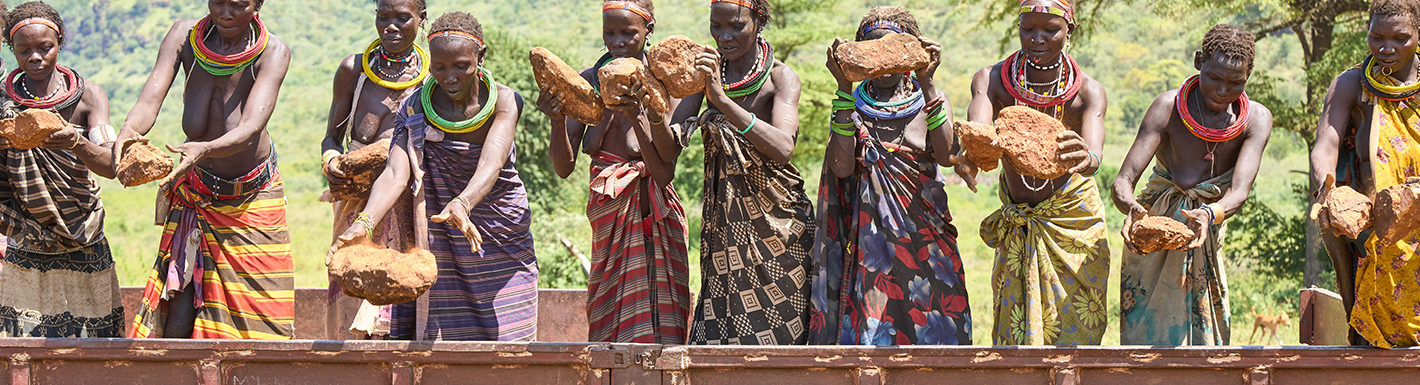
Through its national, regional and sub-regional forums ACT Alliance provides humanitarian and emergency preparedness support to local communities helping them during a crisis and to become more resilient.

READ MORE

Policies and Manuals

ACT humanitarian mechanism

The Rapid Response Fund is an innovative funding mechanism designed to put local communities at the centre of decision-making and is recognised as one of few such funding mechanisms across the sector.

The RRF provides valuable opportunities to demonstrate the niche of faith actors in humanitarian response as we work closely with local ACT members and their community networks. On average, the RRF funds 20 emergencies annually and responses are implemented within six months.

The primary mechanism for large scale or global emergencies, including protracted crises: ACT Alliance raises an appeal to its membership with both requesting and funding members co-owning the process. Appeals are open for funding during their entire project period and accessible to both national and international ACT Alliance members.

Consortia represent a new funding mechanism for ACT Alliance. As part of Emergency Preparedness planning, consortiums are established before a disaster strikes and consortium members share a vision and strategic focus. Members self-organise and develop their own financial management models and programme strategies supported by the EPRP process and tools.

Emergency preparedness and response planning is integral to the strengthening of ACT Alliance’s capacity to respond effectively in emergencies through joint programming.

ACT national and regional forums develop emergency preparedness and response plans (EPRPs), working collaboratively to understand potential disaster risks and plan how to respond to emergencies quickly and effectively. Forum EPRPs are accessible by members through an online platform, which can be viewed by other members who may be interested to support them. ACT Forums use specific ACT guidelines and tools to support the process of developing an EPRP which is reviewed regularly.

EPRP platform

As part of the holistic and integrated approach to humanitarian response, development and advocacy, ACT’s emergency preparedness and humanitarian response is supported by stronger humanitarian coordination and advocacy with stakeholders and duty bearers.

In the current strategic period our advocacy focuses on three banner commitments to the Grand Bargain at the World Humanitarian Summit where ACT has made significant investments and where member engagement is quite strong: the localisation agenda and the primary role of national/local members and local faith actors; demonstrating the important role of faith actors in humanitarian response; and strengthening of cash-based programming across the humanitarian sector.


No.
Name
Date | Time
Location

Due to rising water levels upstream primarily driven by heavy rainfall, the Akosombo dam experienced a major outflow causing massive flooding in the Eastern and Volta regions of Ghana. This action was prompted by the escalating water levels upstream of the Akosombo Dam, primarily due to heavy rainfall in the area. Based on the humanitarian gaps identified during the needs assessment, community consultation, and the presence of a functional market, the Presbyterian Relief Services and Development will provide multipurpose cash valued approximately at USD 90.75 (GhS1,035) for 1,000 households (6,000 beneficiaries) through mobile cash transfer and support the livelihoods of 200 households. ACT Alliance National member in Ghana, Presbyterian Relief Services Development will implement this project through local churches based in the affected areas while coordinating well with the National Disaster Management Organization (NADMO). RRF 12 2023 Ghana Floods

On October 7, the Government of Israel declared war and initiated a series of airstrikes on the densely populated Gaza Strip, after Palestinian armed groups breached the security barrier at several points resulting in significant loss of life while simultaneously launching barrage of rockets into Israel. The attacks from both parties, led to the loss of thousands of Palestinian and Israeli lives, with tens of thousands of individuals sustaining injuries. In Palestine, the ongoing hostilities have created a humanitarian crisis, with homes, schools, medical facilities, and critical infrastructures being extensively damaged or destroyed.  In the Gaza Strip, the conflict has led to significant and alarming mass displacement of people. Approximately 1.4 million out of Gaza's 2.2 million residents are currently displaced. Gaza Ministry of Public Works and Housing reported 15,749 housing units destroyed, 10,935 uninhabitable and 142,500 housing units sustained minor to moderate damage. The total number of housing units reported as destroyed or damaged accounts for at least 43% of all housing units in the Gaza Strip. The attacks have affected 34 healthcare facilities and 24 ambulances. Twelve hospitals and 46 primary care clinics are no longer functioning. All five wastewater treatment plants in Gaza have been forced to shut down due to lack of power, which previously provided water and sanitation services to over 1.1M people. 2 out of the 3 main lines mobile and internet communications were destroyed, hindering the communication channels. As a result of the war in Gaza, the West Bank and East Jerusalem are witnessing an escalation of violence, including casualties, settler violence, and attacks on healthcare facilities and staff. Due to the security situation, Israeli has put many restrictions on movement and access throughout the West Bank, putting more strains on people’s livelihoods and are severely impacting access to essential services. ACT Palestine Forum members DSPR, LWF, HEKS-EPER and ELCJHL are responding to this conflict with an appeal to raise USD 5,237,649 over two years for responding to the urgent needs with special focus on people who have been directly affected by the current conflict in Gaza, Jerusalem and the West Bank. PSE231 Appeal- Gaza Conflict PSE231_Results framework Final

As of July, UNCHR reports the total number of Ukrainian refugees globally is 6.3 million of which 5.96 million are in Europe. According to IOM a further 5 million people have been displaced internally within Ukraine.  In June, the Office of the UN High Commissioner for Human Rights (OHCHR) had recorded 24,862 civilian casualties to date in Ukraine with 9,083 people killed and 15,779 injured.    This fourth revision is based upon the updated needs assessments of ACT members in the appeal (AIDRom, Church World Service, HEKS/EPER, Hungarian Interchurch Aid and the Lutheran World Federation).  Christian Aid joins the appeal as a requesting member in this revision working with local organisations in Ukraine with a Survivor & Community Led Response (SCLR) approach. ACT members are responding in Ukraine, Hungary, Moldova, Romania, Poland, and Slovakia with the revised appeal budget of USD46,747,481 (Total income as of 8 August 2023: 25,381,252 USD and the Balance requested: 21,366,229 USD). UKR221 Appeal Rev4 UKR221 Results Framework Rev4

Last year in September 2022 heavy monsoon caused widespread flooding and landslides with severe ramifications for human lives, property, and infrastructure.  81 districts (Baluchistan 32, Sindh 23, Khyber Pakhtunkhwa 17, Gilgit Baltistan 6, and Punjab 3) were declared ‘calamity hit’ by the Government— a one-third area (70% districts) across Pakistan was affected. ACT Alliance members Community World Service Asia and Norwegian Church Aid launched an appeal to respond to the urgent needs of the affected population through provision of essential needs, ash assistance, shelter kits, mobile clinics for primary health care services in remote areas, and WASH interventions. With the support from Funding Members, more than 50,000 affected people have been reached. Targeted people are provided with safe drinking water by rehabilitation of existing and installation of new water facilities, Provision of water storage containers. Moreover, sanitation facilities are provided in the targeted area, Multipurpose cash assistance were provided to around 800 families which helped them in rehabilitation of their shelters. The main purpose of the appeal revision is that the Pakistan Meteorological Department predicted heavy Monsoon rains in the country which already have started impacting the northern parts of the country. These rains will aggravate the situation of people who are already affected by floods in 2022. On these grounds NCA has decided to revise the current ACT Appeal (PAK221) so that we are able to adequately scale up and address the impact of 2023 Monsoon rains with a concentration in Sindh province. Much of the infrastructure destroyed by the floods remains to be rebuilt. More than 10 million people in flood-affected areas still lack access to safe drinking water, according to UNICEF.  Due to insufficient support and livelihood about 1.1 million people are at risk of sliding of becoming food insecure. The continued inflation that is being experienced by Pakistan in the last year has resulted in food inflation. Food inflation in May 2023 surged to 48.7 percent. This situation has resulted in a significant increase in the challenges for flood-affected communities to access adequate shelter, water, sanitation, re-construction of houses and agricultural livelihoods. In Sindh province, people are still displaced with some areas having land still waterlogged. According to Pakistan Contingency Plan for 2023, it is estimated that around 10 million people will be affected from Monsoon rains this year 2023 in Pakistan. The majority of affected people will be in Sindh province. Moreover, assessments in June 2023, by the Sindh Govt indicate that a total of 2.1 million houses still require reconstruction or repairs however, Govt. resources will only cover 350,000 households. Due to insufficient support and reduced livelihood opportunities about 1.1 million people are at risk of becoming food insecure. The continued inflation that is being experienced by Pakistan in the last year has exasperated food inflation. ACT Alliance members Community World Service Asia and Norwegian Church Aid is raising an appeal for USD 4,272,493. Since the appeal raised in October 2022 around USD 1.2 million has been mobilized. PAK221 - Pakistan Flood Response - Revised Appeal PAK221 - Pakistan Flood Response - Revised Results Framework

After nearly 12 years of conflict, and an earthquake of 7.8 magnitude that hit its foundation, Syria remains a complex humanitarian and protection emergency characterized by ongoing hostilities and their long-term consequences, including widespread destruction of civilian infrastructure, economic collapse, explosive ordnance contamination, Covid 19, and one of the largest number of internally displaced people in the world. An earthquake with a magnitude of 7.8, with at least 1,200 aftershocks have been reported, followed by a second earthquake of 7.5 magnitude, at a depth of 17.925 km (11.14 miles) has occurred at Central Turkey near the city of Gaziantep, as reported by the National Earthquake Information Center (NEIC) of the USGS on February 06, 2023, 01:41:15 UTC. Analysis indicates that this is a very strong earthquake. Widespread building collapse has been reported in southeast Turkey and northern Syria. The earthquake was also felt across Lebanon, Cyprus and the region while it is expected that aftershocks which may be at the same intensity as the initial earthquake will be felt for weeks. There have been more than 23,000 deaths reported as at the 11th of February between Turkey and Syria, with 14,014 in Turkey and 4,377 in Syria, and almost 7,700 people injured in Syria. With thousands of collapsed buildings, (around 1,765 totally destroyed and 5,571 partially destroyed , in addition to 115 schools were destroyed in Aleppo, Hama, and Lattakia cities ).  Many people remain trapped under the debris of collapsed buildings, rescue and search are fearing its too late finding anyone alive under the rubble. Flooding has been reported in displacement camps due to inclement winter weather. The Syrian population was already deeply affected by the ongoing war and the economic collapse of the country and now, many people must deal with being displaced, losing their livelihood, and fighting the harsh winter conditions. ACT Syria Forum members CA, GOPA-DERD, HEKS/EPER, LWF, MECC  And HIA in Türkiye  are responding to the protracted crisis and the earthquake with an appeal to raise USD 16,243,918 over two years, As of this publication, the appeal has raised USD 10,675,211. This appeal revision is primarily an update of the results framework, as a result of the coordination efforts and assessments of different programmatic and geographic areas that ACT Requesting Members have undertaken to refine activities and address changing needs. SYR231 - Syria Turkey Response Revision 3 SYR231 Results-Framework- Revision 3 Final Links to the previous versions: Syria and Türkiye: Syria Protracted Crisis – Developing the Resilience of Affected People and Emergency Response for Affected Communities – SYR231- Revision 2 | ACT Alliance Syria: Syria Protracted Crisis – Developing the Resilience of Affected People and Emergency Response for Affected Communities of Syria-Türkiye Earthquake- SYR231- Revision 1 | ACT Alliance SYRIA: Syria Protracted Crisis – Developing the Resilience of Affected People – SYR231 | ACT Alliance

Over the past three and a half months there has been a sudden surge in Tanzania of asylum seekers from the Democratic Republic of Congo (DRC) from Masisi and Rutshuru territories in North Kivu. These locations are currently occupied by Congolese Revolution Army (M23), Armed Forces of the Democratic Republic of Congo (FARDC), as well as Mai Mai and other non-state armed groups who control towns in the same area. Civilians are now caught between groups of combatants. According to some recent peace agreements, it is expected that M23 have agreed to move away from these areas, but this is not the first time M23 promise to relocate but do not. Currently these agreements are yet to materialize. In November / December 2022, asylum seekers arrived into Tanzania at the average rate of 150 person per day. This year (March 2023) saw the highest number of asylum seekers from the DRC entering Tanzania in groups of 300–600 (highest peak recorded). This number then reduced to 20-30 asylum seekers arriving in Tanzania in May and June 2023. Majority of the asylum seekers are women, children and the elderly. The asylum seekers enter Tanzania through Lake Tanganyika using boat canoes from DRC. More asylum seekers are projected to cross from the DRC to Tanzania because of the expected continuation of clashes in eastern DRC (UNHCR 29/06/2023; Daily News 19/03/2023).  The number of refugees registered by UNHCR are 11,964 as of 14th July 2023 and they are now settled at Nyarugusu refugee camp. RRF 11 2023 Tanzania DRC Refugees  

Angola has been going through a prolonged drought, considered to be the worst in 40 years, due to three consecutive failed rainy seasons. The drought has affected food security in Cunene, Huíla and Namibe provinces. There have been a recorded 40% crop losses greatly impacting negatively household food availability, incomes and livelihoods (https://www.unicef.org/appeals/angola). The drought in Angola falls under one of the most under-reported or forgotten humanitarian crisis (CARE– breaking the silence, 2023). An estimated 3.8 million people where 114,000 children under the age of five are acutely malnourished (UNICEF: HAC 2023 report). The prolonged drought has been caused by irregular and in some cases lack of rains and as a result, farming communities have no harvest as expected. In addition, many have lost their seed stock. Livestock (oxen) that were used for ploughing their field have also died. According to the Global Network Against Food Crisis (GNAFC) report, Angola is among the countries where the food security situation is forecasted to remain critical due to below average rainfall and poor humanitarian assistance. The situation is predicted to be critical from August to Oct/Nov 2023. During this period, all food reserves will be depleted, the man-made dams (Chimpakas) will be dry and basic food prices will be at their peak. RRF 10 2023 Angola Drought

Typhoon Doksuri (Egay) is the fifth tropical cyclone to hit the country this year. It started as a low-pressure area and later on became a tropical depression in Southeastern Luzon last July 21, 2023. As it traversed westward over the Philippine Sea, it turned into a typhoon on July 22 and became a Super Typhoon when it approached Northern Luzon on July 25. The super typhoon’s strong winds and torrential rains battered the country on July 26 as it made two landfalls in the vicinity of Fuga Island in Aparri and Dalupiri Island in Calayan, both in Cagayan province. The super typhoon forced thousands of families to evacuate to safer areas, and destroyed roads, bridges, and houses. Based on the reports of the National Disaster Risk Reduction Management Council, as of August 1, 2023, a total of 759,434 families or 2,790,213 persons were affected by the super typhoon. There were also 26 dead, 52 injured, and 13 missing persons reported. The NDRRMC recorded almost 3,600 damaged houses that forced people to evacuate. In addition, the total damage to livelihood specifically in agriculture cost PHP 1,965,320,443.00 (US$ 35.8 million) and a total of 487 damaged infrastructures amounting to PHP 3.5 billion (US$63.8 million). Many people are impacted, and they are now struggling to find places to live and ways to earn. The approved project will be addressing the urgent needs of around 17000 people in the sectors of Cash Transfers, Food/nutrition, Protection and WASH sectors. A total of USD 150,000 has been approved for a period of 6 months.  detailed proposal attached.  RRF 09 2023 Philippines Typhoon Doksuri

On 9 May, Israeli forces launched a military operation in the Gaza Strip. Israeli airstrikes struck residential buildings and houses where three members of the Palestinian Islamic Jihad were staying, killing them along with ten family members In the Gaza Strip, the United Nations Human Rights Office (OHCHR) has verified 33 Palestinian fatalities from 9 to 14 May. Out of the verified fatalities, at least 12 were civilians. Among the 12 civilians were four girls, 2 boys, 4 women and 2 men. According to the Ministry of Health (MoH) in Gaza, 190 Palestinians were injured, including 64 children and 38 women. During the escalation, there was damage to housing units, schools, health facilities, and infrastructure. A total of 2,943 housing units were damaged, with 103 destroyed, 140 severely damaged, and 2,700 otherwise damaged. It is estimated that 1,244 Palestinians were internally displaced as a result. The escalation came to worsen the already fragile systems in the Gaza strip, along with the siege, blockade, high unemployment, economic collapse, extreme psychosocial distress and all of hostilities resulted in a direct humanitarian impact on education, livelihoods, access to basic services, shelter, health, water and sanitation. ACT Palestine forum member DSPR- NECC are planning to support around 7,130 most vulnerable people in the affected area of Gaza Strip with food/ nutrition, health, and protection/ psychosocial support. RRF06-2023 Gaza Escalation Response  

The Kakhovka dam that sits on the Dnieper River, upstream of Kherson City in Khersonska Oblast. It's reservoir held 18 cubic kilometers of water used for cooling the 5.7 GW Zaporizhzhia Nuclear Power Plant, and to irrigate areas of southern Ukraine and northern Crimea via the North Crimean Canal and Dnieper–Kryvyi Rih Canal. In the morning of the 6th June, the Kakhovka Dam was destroyed, causing extensive flooding. Water levels in the reservoir had been at a 30 year high. Thousands of residents downstream were evacuated, and floods submerged several villages in Ukrainian- and Russian-controlled areas. Ukraine's prosecutor general estimated that about 40,000 people located in Ukrainian- and Russian-controlled land were likely to be impacted by flooding. Three weeks after the destruction of the Kakhovka Dam, the massive flooding caused by the disaster has significantly receded, leaving behind devastation, an unconfirmed number of civilians killed and injured and a worsened humanitarian situation in areas already facing the dire consequences of the war. The disaster and the consequent depletion of the Kakhovka Reservoir have created enormous challenges for civilians to access drinking water and agricultural activities in southern Ukraine. Important concerns have been raised about the possibility of disease outbreaks caused by stagnant and contaminated water in areas where health services are extremely limited due to the widespread destruction caused by the war. ACT Ukraine forum member HEKS/EPER proposes to support 2,000 most vulnerable people in the affected area. RRF 07 2023 Ukraine Dam damage

On June 15, 2023, heavy rains hit the territory of the Republic of Serbia, causing floods throughout the country. 56 cities and municipalities affected by flash floods declared a state of emergency. Houses are flooded, huge material damage was done to crops, and infrastructure is damaged. More than 300 people were evacuated from their homes. ACT Europe forum members EHO and Philanthropy propose to support 600 most vulnerable affected households (approx. 2000 people) with MPCA. RRF 08 2023 Serbia Floods

Heavy rainfall and flooding caused severe landslides in Kalehe in the Democratic Republic of Congo in early May. As a result, 400 persons have lost their lives, and over 50,000 persons are displaced (OCHA, May 29, 2023). Schools and health centers were also swept away, and major roads and bridges have been destroyed or cut off thus affecting access/communication. According to the local government Humanitarian Affairs Division (DIVAH) report of 13th May 2023, 2,536 persons remain missing while 4,000 houses were destroyed. ACT DRC member EELCo proposes to support 1,330 most vulnerable displaced households with shelter, mobile cash, and psychosocial support for 155 persons. RRF 05 2023 DRC Floods


No.
Name
Date | Time
Location

On June 15, 2023, heavy rains hit the territory of the Republic of Serbia, causing floods throughout the country. 56 cities and municipalities affected by flash floods declared a state of emergency. Houses are flooded, massive material damage is done to crops, and infrastructure is damaged. More than 300 people are evacuated from their homes. The weather forecast predicts new precipitation in the coming days, so there is a possibility of new floods. Landslides have been triggered in some municipalities, endangering houses. ACT Alliance Europe Forum members EHO and Philanthropy are planning to respond with Rapid Response Funds to support the most affected families. Alert Serbia Floods

Early Tuesday, June 06, 2023, the destruction of the Kakhovka Hydroelectric Power Plant Dam which crosses the Dnipro River on the front line in Nova Kakhovka in Khersonska – has led to massive flooding, forcing dozens of thousands of people to flee and impacting at least 46 towns and villages which have been reported fully or partially flooded, according to the Ukrainian authorities. Kakhovka Reservoir, which was formed by the Kakhovka Dam and stretches 240 kilometres through Zaporizka, Dnipropetrovska and Khersonska oblasts, is one of the largest water sources in the south of the country. It provides water supply, including drinking water, to major industrial cities, including Kryvyi Rih, Marhanets, Nikopol and Pokrov, home to nearly 700,000 people. ACT Alliance Ukraine Forum member HEKS with its local partner is planning to respond with Rapid Response Funds to support the most affected people. Alert Ukraine Kakhovka dam destruction

Heavy rainfall and flooding caused Rivers Lwaro and Nyamukubi in the Democratic Republic of Congo to burst their banks and cause flooding and severe landslides in the Mbinga geographic area of Buhavu the week of 1st-6th  May 2023, affecting at least 50,000. At least 75% (4,000) of the houses in the territory of Buhavu were destroyed causing the death of 400 persons and injuring over 120 persons (OCHA, May 29); with 2,536 still missing according to the division and the Humanitarian Affairs Division (DIVAH) report of 13th  May 2023. Schools and health centres were also swept away, and major roads and bridges have been destroyed or cut off thus affecting access/communication. ACT Alliance DRC Forum national member EELCo-South Kivu is planning to respond with Rapid Response Funds to support the most affected Households. DRC_ Flash Floods+Landslides

On the 9th of May Israeli escalation against the Gaza Strip induced catastrophic humanitarian situation in the lives of the people living in Gaza. According to Palestinian ministry of health (MOH) on 13th May at 11:00 AM, 33 Palestinians were killed in Gaza, including 6 children and 3 women, and more than 190 were injured including 64 children and 38 women, many of them were serious injuries and might have a long-term disability that needs further interventions. The initial governmental report showed that hundreds of housing units were totally destroyed or damaged, where hundreds of Palestinians have had to leave their homes in Gaza due to the ongoing air strikes targeting their homes which were completely, partially damaged or their houses at risky areas with a potential to be targeted by bombardment, multiple water and sanitation facilities and infrastructure were also damaged. Access to the sea for fishing was suspended during the escalation affecting more than 4,400 fishers and their families, as well farmers were unable to safely access farmlands near the Israeli perimeter fence for irrigation, harvesting, feeding livestock and other essential activities, critically undermining their livelihoods, and leading to scarcity of fresh vegetables and other food commodities in local markets. The hostilities continued until a ceasefire came into effect at 22:00 on 13 May. The ceasefire continues to largely hold, despite incidents involving the exchange of fire, shortly after the ceasefire. ACT Palestine forum is preparing an RRF to respond to the needs of the affected communities. ACT member DSPR- NECC is getting ready to respond to this crisis with focus on sectors, Food and NFI’s, Health, and MHPSS. Alert-Palestine- Gaza Escalation

Cyclone Mocha, described as the strongest in more than a decade, hit the coast of Myanmar and Bangladesh on the morning of Sunday, May 14. The resultant flooding has forced hundreds of thousands of individuals to evacuate their homes in both Myanmar and Bangladesh. Almost 5.4 million people are estimated to have been in the path of the cyclone, enduring winds in excess of 90 kmph across Rakhine and the Northwest. Of these, nearly 3.2million are most vulnerable to the cyclone impact based on analysis of shelter quality, food insecurity and coping capacity. As per initial reports immediate needs for relief items, shelter, food, health, and WASH support in the affected areas. Concern about waterborne disease outbreaks is high, and close monitoring will be critical. Explosive ordnance risk education and hygiene awareness will also be required, along with psychological support. The State Administration Council (SAC) has declared 17 townships as severely affected areas and is preparing for a coordinated response. However, commercial flights are not currently allowed to reach Sittwe, and UNOCHA together with WFP and other organizations are organizing to get approval from SAC to reach affected population. ACT Alliance members in Myanmar, Christian Aid, Finn Church Aid and Lutheran World Federation are currently present on the ground and conducting assessments.   ACT Myanmar Forum -Alert Cyclone Mocha  

On may 3rd violence broke out in Manipur state of India after Naga and Kuki tribals organised a 'Tribal Solidarity March' to protest moves to give scheduled tribe status to the majority Metei community. Internet services, including mobile internet, were suspended across the state and Section 144 was imposed in several violence-hit areas of the state to stop the violence. More than 30,000 people have been displaced due to conflict to camps and shelter identified by the government and law enforcement agencies. As these communities are not able to do business as usual There is a pressing necessity to provide immediate assistance to minimize loss of life and to ensure that the needs of the most vulnerable are covered first. The violence has happened in the district of Imphal, Churachandpur, Bishnupur, Kangpokni, Tengnaupal. Kakching, Thoubal, Jiribam and Bishnupur in the state of Manipur. The people need Food, Shelter and Sanitation to restore to their normal life. They may also need counselling and confidence building measures ACT Manipur Alert Revised, 16th May

On April 15th, 2023, marked the day a violent power struggle broke out in Khartoum, Sudan’s capital city between the two main warring factions; the ruling militia regime (Sudanese Armed Forces-SAF) which is currently acting as the official Army of the country and a rival paramilitary force; the Rapid Support Forces (RSF). The violence broke out due to high rising tension between the country’s most powerful generals, who jointly staged coup d’état in October 2021. As of 14th May,2023, an estimated 900 civilians have been killed and a further 4,000+ injured, whereas an estimated 5 million Sudanese are internally displaced and 1 million flown to neighbouring countries. Sudan: As a result of the war 936,000 people have been newly displaced including 736,200 people displaced internally and 200,000 who have crossed into neighbouring countries. Women and children represent 75 per cent of those affected by this conflict that have become more vulnerable. This includes an estimated 450,000 children who have fled their homes. South Sudan: 59,229 (53% female,47%male) individuals had cross into South Sudan. 94% these are South Sudanese returnees. According to UNHCR estimates, between 125,000 and 180,000 South Sudanese and 45,000 Sudanese are expected to arrive in the next three months. Ethiopia: More than 20,400 people have crossed Ethiopia’s Metema border and 5,300 in Almahal, Benishangul-Gumuz Region. Most of these are Ethiopian returnees. Chad: The total number of refugee arrivals from Sudan has exceeded 50,000 (18,500male, 31,500 female) UNHCR projects a total of 100,000 Sudanese refugees in Chad by the end of May. Egypt: 81,172 people have crossed into Egypt, including 76,135 Sudanese and 5,037 third-country nationals. It is estimated that up to 300,000 Sudanese people are expected to cross the Egyptian borders over the next few months. ACT National Forums/ members of (Sudan, South Sudan, Chad, Ethiopia, Egypt)  are preparing  an Sub regional response/ appeal to respond to the needs of the affected communities and countries of the Sudan crisis. ACT members NCA, LWF, CA,  Presbyterian Relief and Development Agency (PRDA), Mission 21, EECMY-DASSC, EoC-DICAC and BLESS, this includes DKH support to LWF Chad,  are getting ready to respond to the crisis with focus on sectors of Food security, Health, WASH Education, MHPSS, CASH, Protection and other sectors based on needed. ACT Alert Sudan-Sub regional

Tropical Cyclone Freddy which is the longest-ever recorded cyclone, characterized by torrential rains, floods, and mudslides in Mozambique and southern Malawi has brought devastating effects. The Cyclone has caused severe flooding affecting homes, hampering access, and increasing the danger of flooding and death. Critical roads, electricity, and communication are destroyed in the most affected areas in Malawi and Mozambique. The floods and increasing water levels due to the rains are causing the displacement of people.   Cyclone Freddy is a large-scale emergency that hit Malawi and Mozambique. Both countries' governments are calling for international support. The persons affected are mainly poor rural farmers in both countries.  he Cyclone has been razing buildings, damaging farmland, critical infrastructure (especially roads), and telecommunications, and causing severe flooding and landslides people have been forced from their homes and are displaced in schools and churches. Others are hosted by families. Livelihoods have been lost because the Cyclone has swept away/destroyed most farm crops and farmers were about to harvest their crops. Most farmers have also lost their livestock due to drowning.   ACT Forum members in Malawi (CARD, ELDS) and ACT Forum member in Mozambique (DKH) are launching a regional appeal to respond to the effects of the Cyclone. ACT Alert Malawi-Cyclone Freddy

The strongest cyclone to make landfall in Madagascar in the last 12 months was "Freddy". It reached a speed of up to 165 km/h near the city of Mananjary on February 21, 2023, at 21:00 (local time) and had a diameter of 5 km. According to the international classification, this corresponded to a category 2 cyclone. As a result, 6,465 houses are flooded causing displacement for 37,731 persons. Unfortunately, 07 persons have lost their lives. ACT Madagascar national member SAF/FJKM (Church of Jesus Christ in Madagascar-FJKM) which has 59 branches over the areas affected by Cyclone Freddy is planning to support the displaced meet their basic needs through Rapid Response Funds. Madagascar Tropical Storm Freddy

An earthquake with a magnitude of 7.8, with at least 78 aftershocks have been reported followed by a second earthquake of 7.5 magnitude, at a depth of 17.925 km (11.14 miles) has occurred at Central Turkey near the city of Gaziantep, as reported by the National Earthquake Information Center (NEIC) of the USGS on February 06, 2023, 01:41:15 UTC. Preliminary analysis indicates that this is a very strong earthquake, and it is very shallow (shallower quakes generally tend to be more damaging than deeper quakes). Widespread building collapse has been reported in southeast Turkey and northern Syria. The earthquake was also felt across Lebanon, Cyprus and the region while it is expected that aftershocks which may be at the same intensity as the initial earthquake will be felt for weeks. In Syria, there have been 783 deaths based on early reports (403 in the government-controlled areas and 380 in the uncontrolled areas), 1,315 injuries, and 4,000 damaged buildings and still hundreds of trapped civilians under the rubble. Death toll has reached more than 1,500 based on the latest reports in Turkey, less than 24 hours after the disaster, and 2,300 have been injured and search and rescue operations are ongoing in several major cities, and a total of 1,718 collapsed buildings destroyed in Turkey’s Gaziantep and Kahramanmaras provinces, said Vice President Fuat Otkay. The Syrian population was already deeply affected by the ongoing war and the economic collapse of the country and now, many people must deal with being displaced, losing their livelihood, and fighting the harsh winter conditions. Due to the nature of this emergency, the forum is planning to respond , by requesting RRF as an emergency support and then may be followed by an appeal, based on the results of the assessment. Budgets have not been estimated as members are still conducting their assessments, which will be presented during the Emergency Steering Committee meeting. ACT Alert- Syria_Turkey Earthquake

Reaching its thirteenth year of war, Syria remains a complex humanitarian and protection emergency both inside Syria and the neighboring countries. Jordan hosted more than 672,000 registered Syrian refugees, however the actual total is estimated at around 1.3 million when those not registered are considered. Around 90% of the Syrian refugees live outside the camps in urban, peri-urban, and rural areas, with almost 80% of the Syrian refugees live below the poverty line in Jordan. Most Syrian families are relying on humanitarian assistance to meet their basic needs. The impact of Syrian’s refugee crisis on the Jordan’s economy is high. There are significant structural issues facing the Jordanian economy: insufficient revenue, costly subsidies and a large public sector, water scarcity, and dependence on energy imports. These continue to impact growth, and the situation of Jordanians, particularly in the hosting communities, is becoming more difficult. The crisis also has its huge impact on the socio-economic situation of Jordanians and other population segments such as Palestinian refugees and other refugee population. The crisis has incredible cost for Jordanian families, specifically the younger Jordanian workforce. The crisis added increasing competition on natural resources and added more pressure on protected areas especially in the northern and eastern parts of the country. It has created more pressure on ecosystem goods and services and had very negative impact on waste management that increased by 30% which was generated because of receiving more than a million of Syrian refugees. ACT Jordan forum is preparing an appeal to respond to the needs of the affected communities. ACT members: DSPR, ELCJHL, and MECC are getting ready to respond to the protracted humanitarian crisis with focus on sectors of Livelihoods, Food security, Health, Education, and Protection. Alert-Humanitarian Protracted Crisis- Jordan

ACT-Alert-Tanzania Forum 5 Dec 2022 - Final Tanzania for the past two years 2021-2022 have been characterized by a below average rainfall during the rainy seasons (March- May and October-December) the lowest ever experienced since 1970 causing a severe drought. The most affected regions are the northern-eastern coastlands/highlands. Drought condition is observed more frequently in parts of the northern and central regions. The Ministry of livestock has reported at least 157,695 cattle, 48,290 goats,94,230 sheep’s, 6,135 donkeys and 8 camels have died in Coast, Tanga, Kilimanjaro, Arusha and Manyara regions between September 2021 to January 2022 and recently at least 320 cattle and 250 goats have died due to drought in Tanzania's northern region of Kilimanjaro between July and September 2022 . The drought has affected harvest of major crops, increased crop pests, reduced availability of water and reduced pasture for livestock. Food prices have increased significantly, thus affecting the purchasing power of vulnerable members of the affected communities. The Government of Tanzania identified gaps in response to the drought and developed the 2022-2023 Drought Contingency Plan (DCP). These gaps based on three hazards: Drought; Disease outbreak and pest outbreak. The 2022-2023 planning envisions Drought in the following: • Above 120,000 households require food assistance. • Immediate agricultural response will be required to assist affected households with drought tolerant crops • Government Strategic Grain Reserves (SGR) will not be sufficient to cater for the population due to the huge numbers of affected population. • Response may be in form of food aid and cash transfers • Protection services will be required to prevent and respond to violence in the home and abuse related to accessing food assistance and social support services; ensure equitable access to humanitarian services by vulnerable household

Resources

Team

Niall O’Rourke

Head of Humanitarian Affairs

Global

niall.orourke@actalliance.org

Geneva, Switzerland

Caroline Njogu

Humanitarian Programme Coordinator

ACT Alliance

Caroline.Njogu@actalliance.org

Nairobi, Kenya

Sokanta Chanda

Humanitarian Finance & Budget Coordinator

Global

Sokanta.Chanda@actalliance.org

Bangkok, Thailand

Ioakeim Vravas 

Humanitarian Programme & Global MEAL Coordinator

Global

Greece, Europe

Muhammad Waqas

Humanitarian Programme Officer

Asia- Pacific

Waqas@actalliance.org

Bangkok, Thailand

Claire Finas

RRF Manager

Global

Geneva, Swtizerland